Palermo City Guide: Where to Stay, Eat and What to See
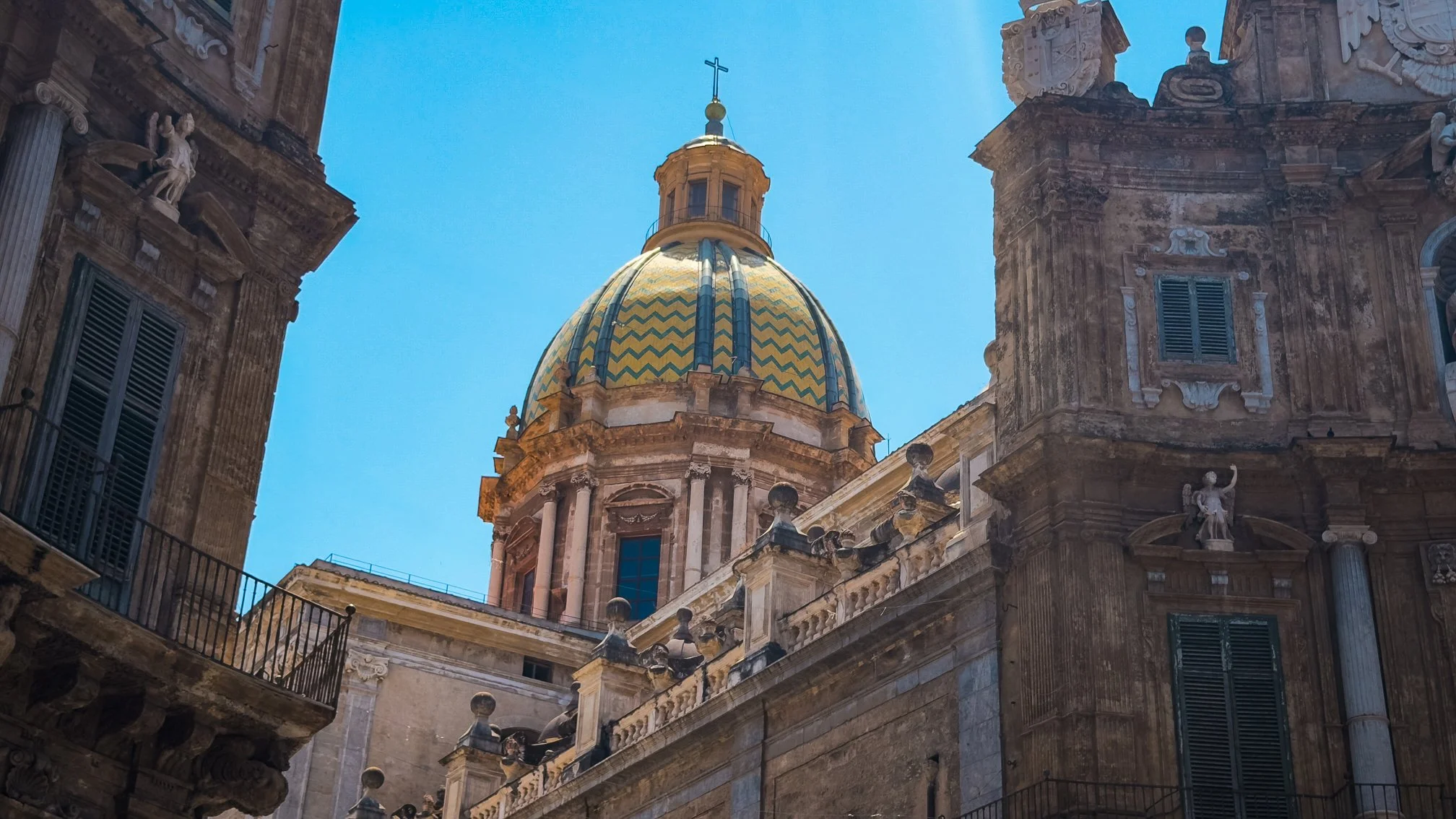
The tiled dome of San Giuseppe dei Teatini framed by the Baroque façades around Quattro Canti.
My first-hand guide to Palermo, with Grand Hotel Wagner as a base, restaurants I tried, Sicilian gelato, architecture and practical advice for a first visit.
Palermo, Sicily, Italy
We stayed at Grand Hotel Wagner, close to Teatro Politeama, with Teatro Massimo and the historic centre within easy walking distance.
Food was a large part of our time in Palermo. We had dinner at ALI3I, CR21 and Rimessa Dragotto, visited Cappadonia Gelati and found ourselves ordering plenty of pistachio, ricotta, semifreddo and gelato along the way.
For sightseeing, much of central Palermo can be covered on foot. Teatro Massimo, Via Maqueda, Quattro Canti, Piazza Pretoria, Piazza Bellini and Palermo Cathedral can all fit into the same walk. The Palazzo dei Normanni and Cappella Palatina deserve more time on their own.
This guide brings together the places we experienced with the practical information I would use for a first trip.
In This Guide
What to see in Palermo
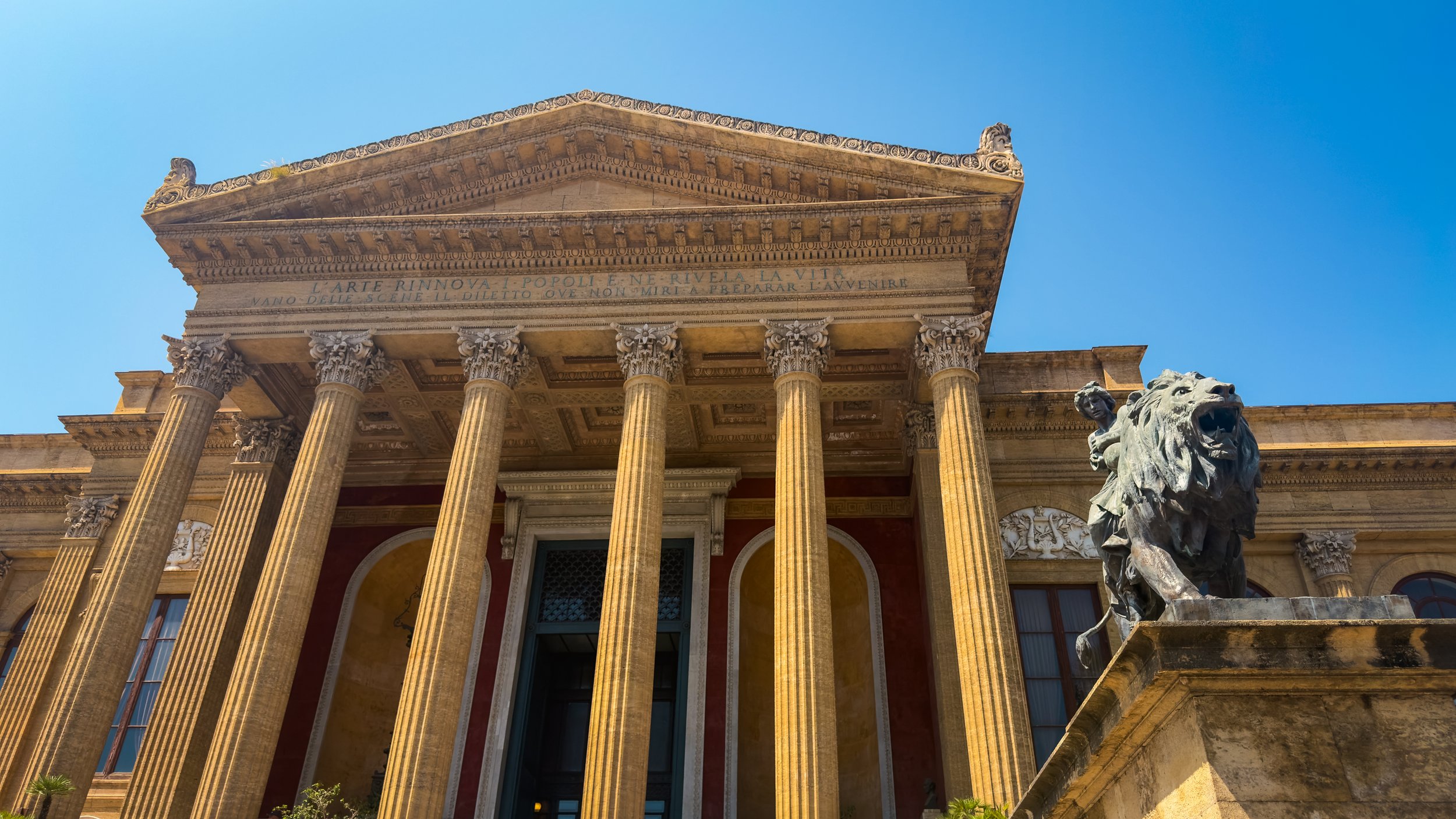
The monumental façade of Teatro Massimo on Piazza Giuseppe Verdi.
Teatro Massimo
Teatro Massimo stands on Piazza Giuseppe Verdi and is one of the easiest landmarks to use when finding your way around central Palermo.
The exterior alone is worth stopping for, but the theatre is also open for guided visits. Tours run every day and last around 40 minutes, taking in the auditorium and principal rooms. Adult tickets currently cost €14.
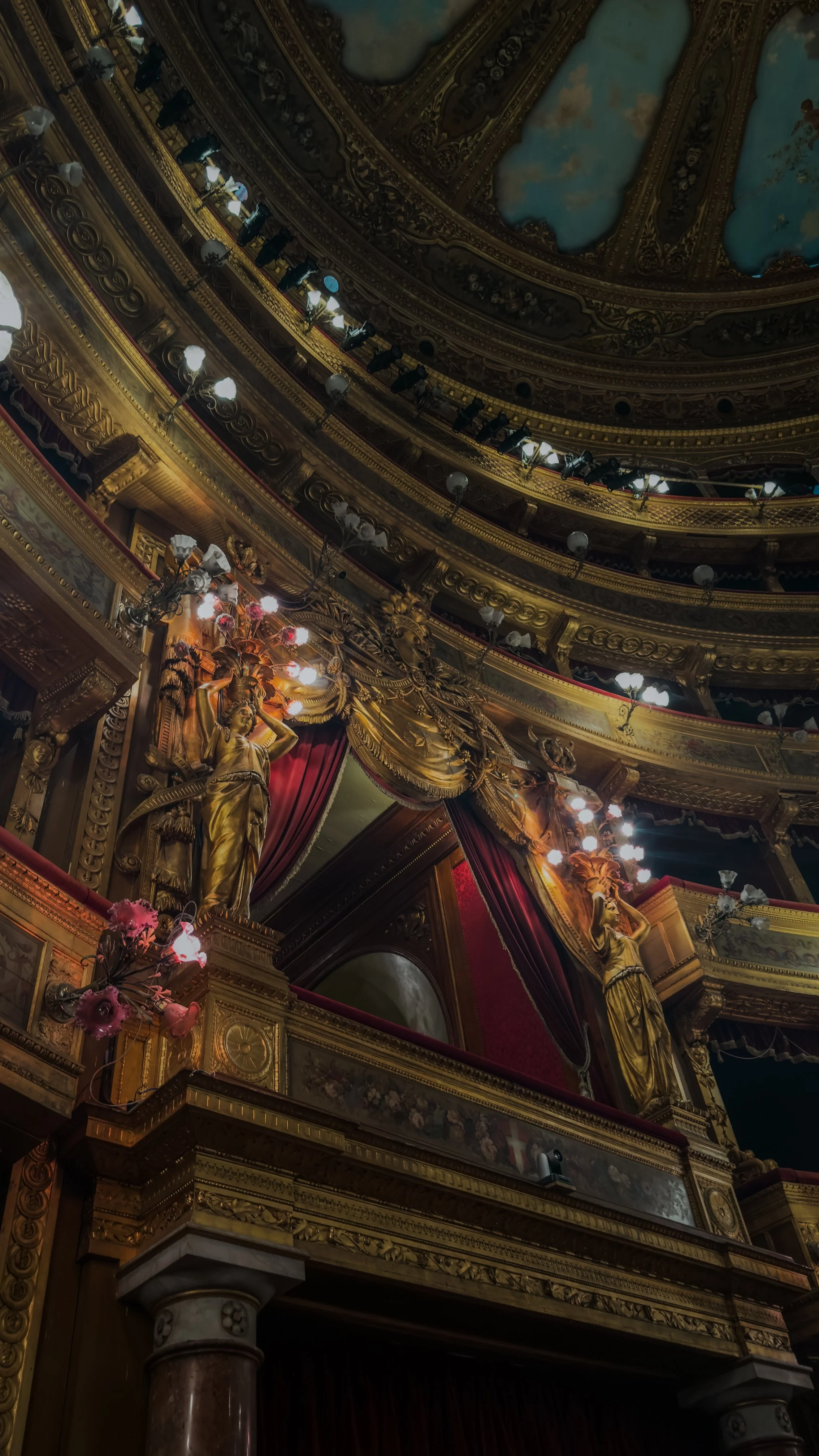
Gilded theatre boxes, red velvet curtains and sculptural details inside Teatro Massimo.
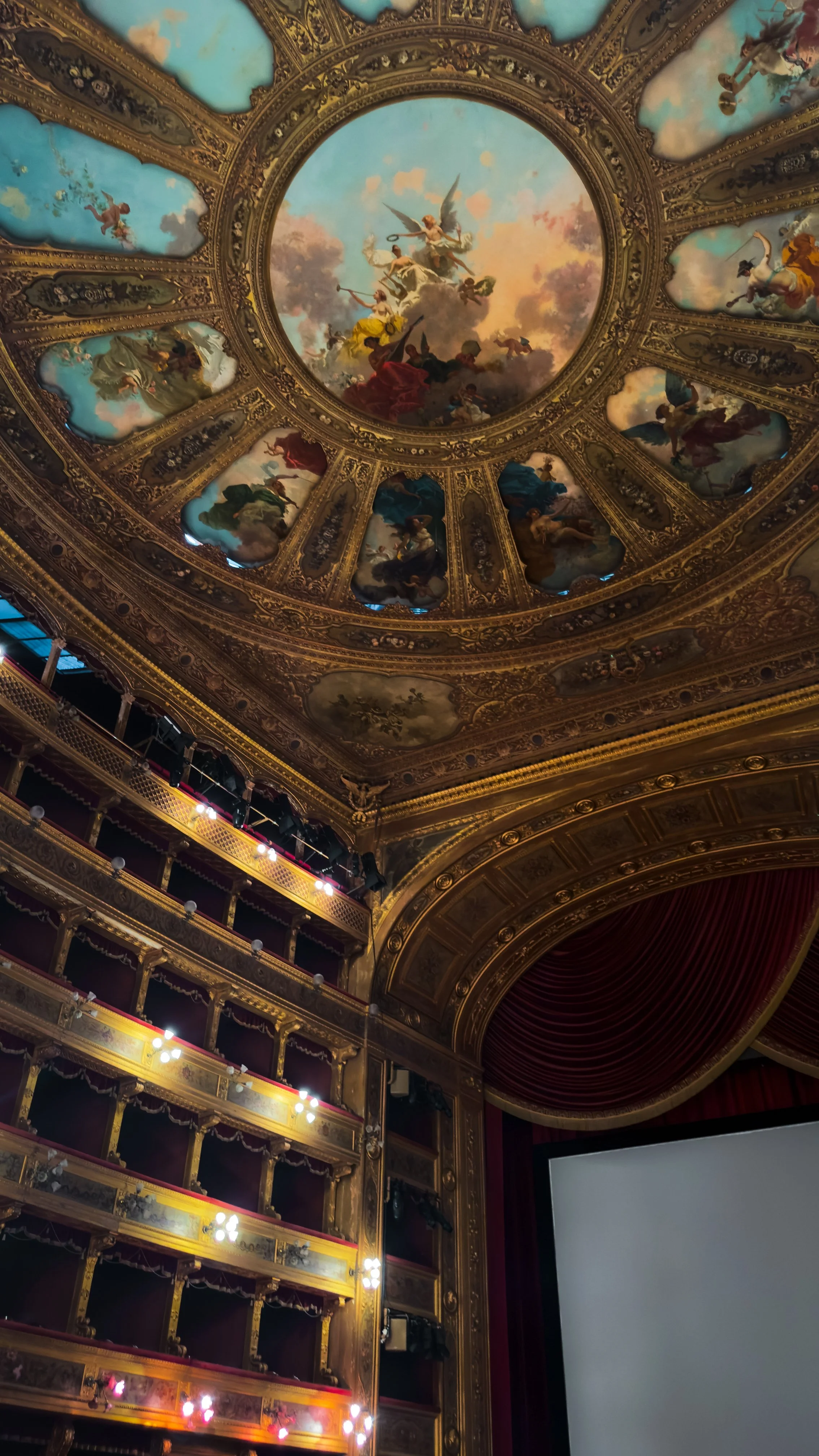
The auditorium at Teatro Massimo, with its painted ceiling, tiers of boxes and red stage curtain.
Tickets: Book the official Teatro Massimo guided tour
GetYourGuide: Book the Teatro Massimo guided tour
It is also close to Grand Hotel Wagner, with the Politeama area only a short walk away.
Museo Archeologico Regionale Antonino Salinas
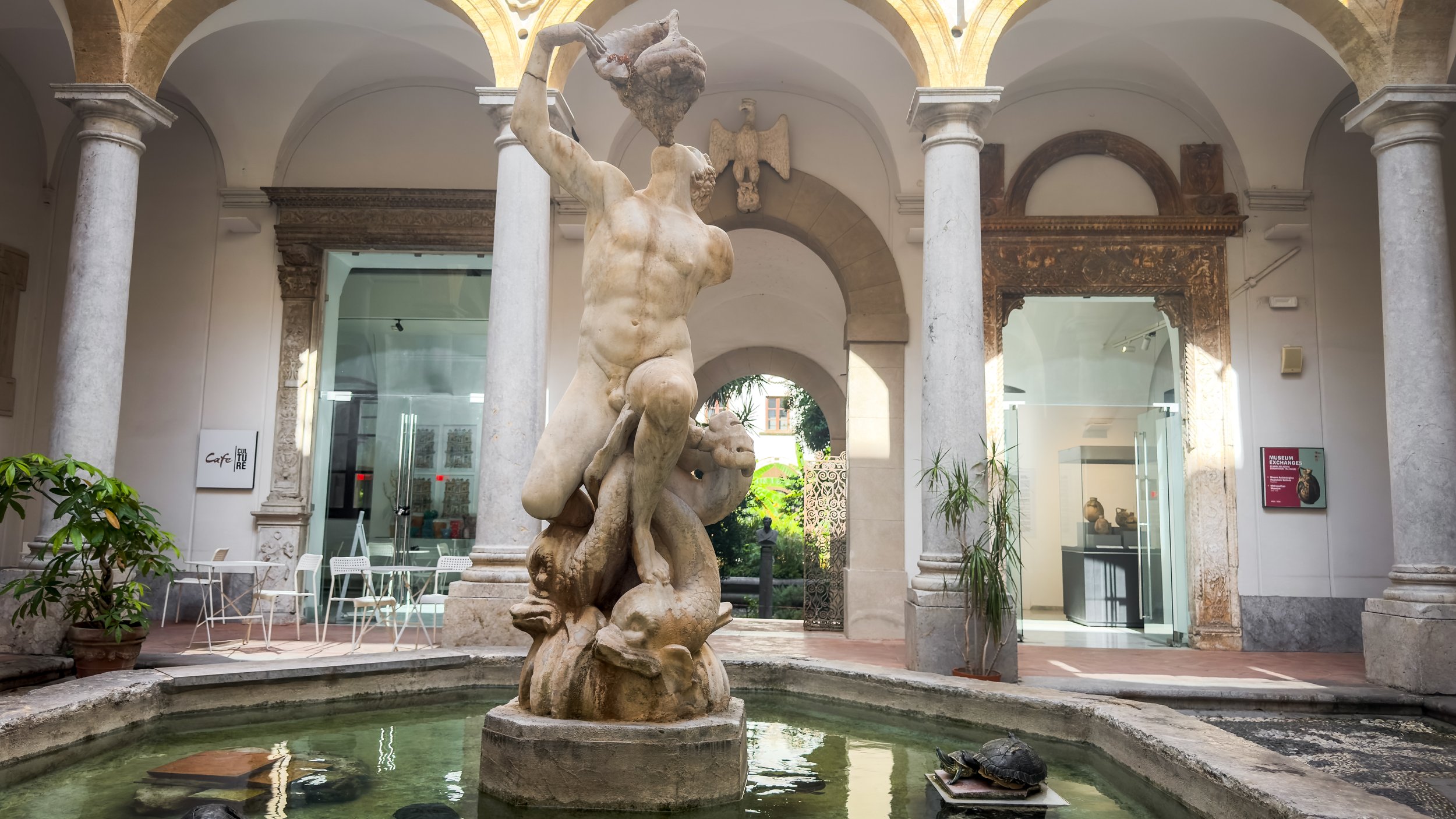
The Glauco fountain in the first courtyard of Museo Salinas, with turtles in the water.
A short walk from Teatro Massimo is the Museo Archeologico Regionale Antonino Salinas, housed in a former religious complex around two historic courtyards.
We visited during our stay, and the building itself is part of the reason to go. The first courtyard has a fountain surrounded by arcades, with turtles in the water — an unexpected detail I enjoyed.
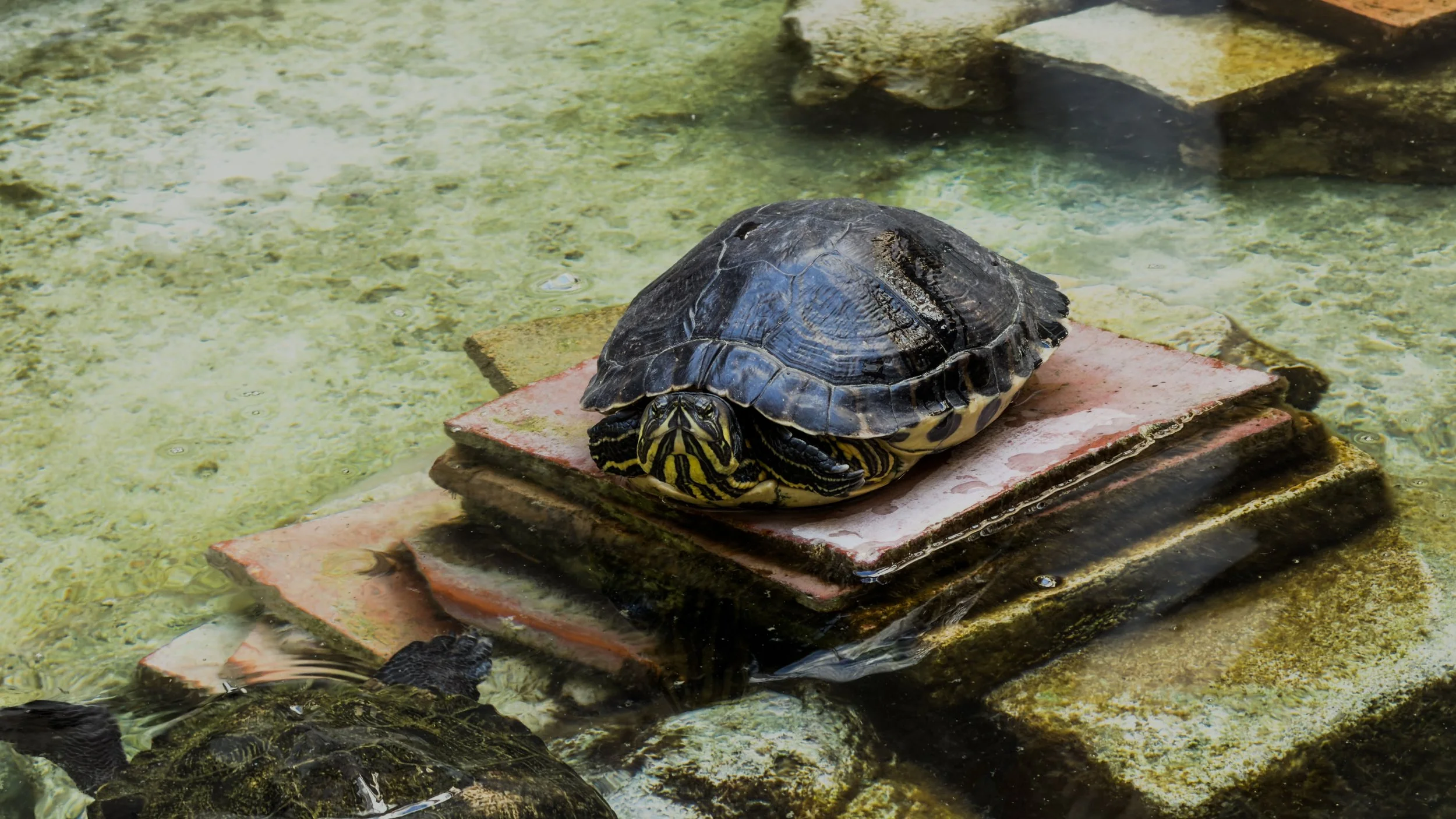
One of the turtles in the courtyard fountain at Museo Salinas.
Inside, the collection traces western Sicily from prehistory through the Middle Ages, with Greek, Phoenician and Roman material among its strengths. Some of its most important pieces come from Selinunte, including the sculpted metopes from its Greek temples. The museum also holds the Palermo Stone, an important Egyptian inscription used in reconstructing the chronology of the earliest Egyptian dynasties.
I would allow time for the courtyards as well as the galleries.
Adult admission is currently €8, and tickets can be bought online through the museum’s official ticketing partner, CoopCulture.
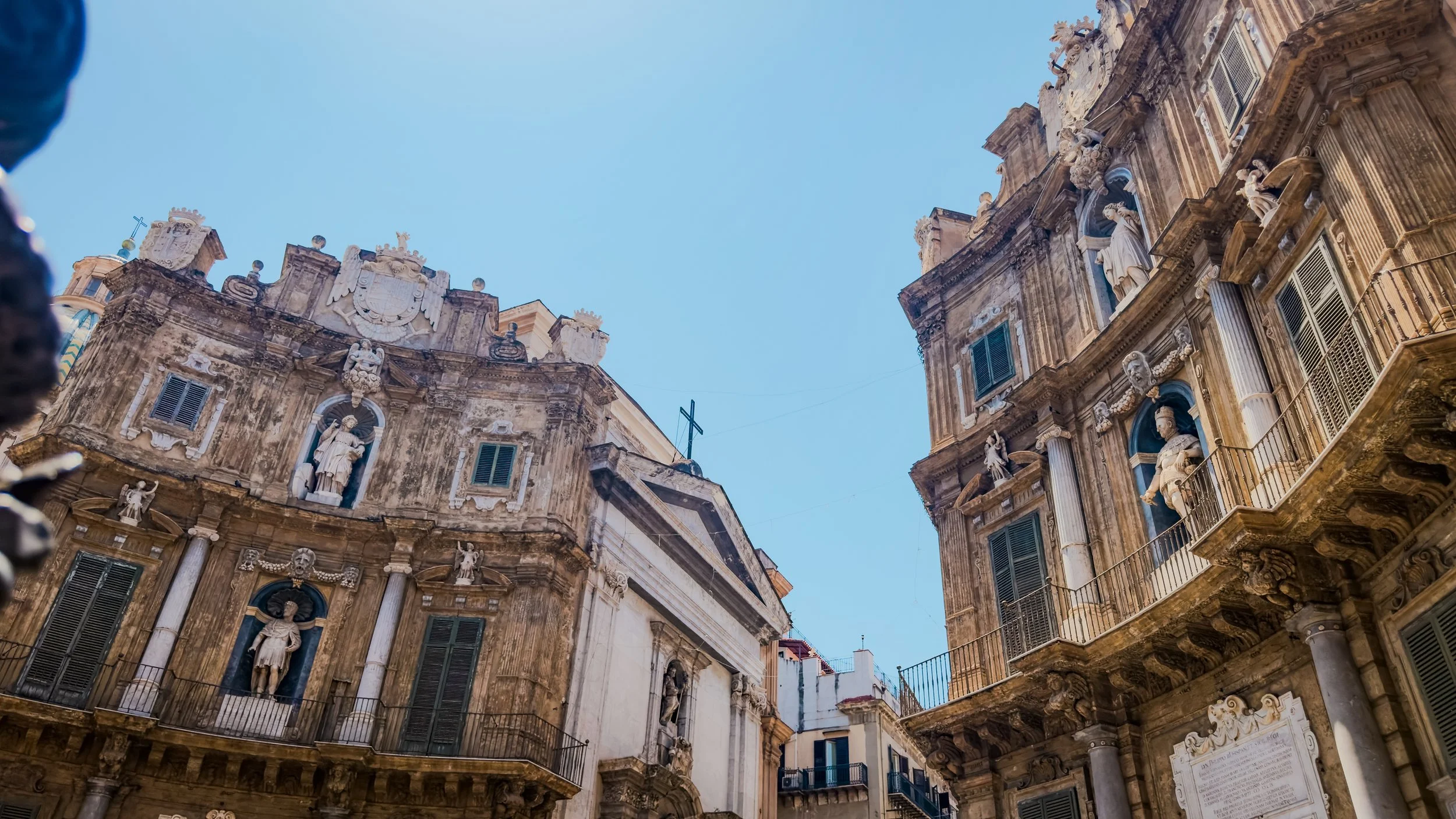
The curved Baroque façades of Quattro Canti, where Via Maqueda meets Via Vittorio Emanuele.
Via Maqueda, Quattro Canti and Piazza Pretoria
Start around Teatro Massimo and continue along Via Maqueda towards Quattro Canti, one of the key intersections in Palermo’s historic centre.
When Via Maqueda opened in 1600, its intersection with Via Vittorio Emanuele, the old Cassaro, divided the historic city into four districts, or mandamenti: Capo or Monte di Pietà, Albergheria or Palazzo Reale, Kalsa or Tribunali, and Loggia or Castellammare.
That was something Gisella Catanzaro at Grand Hotel Wagner pointed out to us during our stay, and it made much more sense once we started walking through the centre. From Quattro Canti, each direction leads into a different quarter, with its own streets, churches and markets.
Construction of the four curved Baroque façades began in 1608 and was completed in 1621. Each has three levels of sculpture: the four seasons at street level, Spanish kings above them and, at the top, the patron saints of the four historic districts — Santa Cristina, Santa Ninfa, Sant’Oliva and Sant’Agata.
Quattro Canti is also known as the Teatro del Sole, or Theatre of the Sun, because in every season at least one of its four façades catches the sunlight.
A few steps away is Piazza Pretoria and its enormous fountain. Fontana Pretoria was not originally made for Palermo: Francesco Camilliani created it in 1554 for a villa in Florence. Palermo’s Senate later bought it, and the fountain arrived in the city dismantled into 644 pieces before being reassembled to fit its new setting.
Its concentric basins are surrounded by mythological figures, animals, monsters, sirens and other sculptures. The nudity of many of the figures caused enough controversy that the square became known as Piazza della Vergogna, the Square of Shame.
From Piazza Pretoria, Piazza Bellini is just beyond the fountain, while Via Vittorio Emanuele continues towards Palermo Cathedral and, further west, Palazzo dei Normanni.
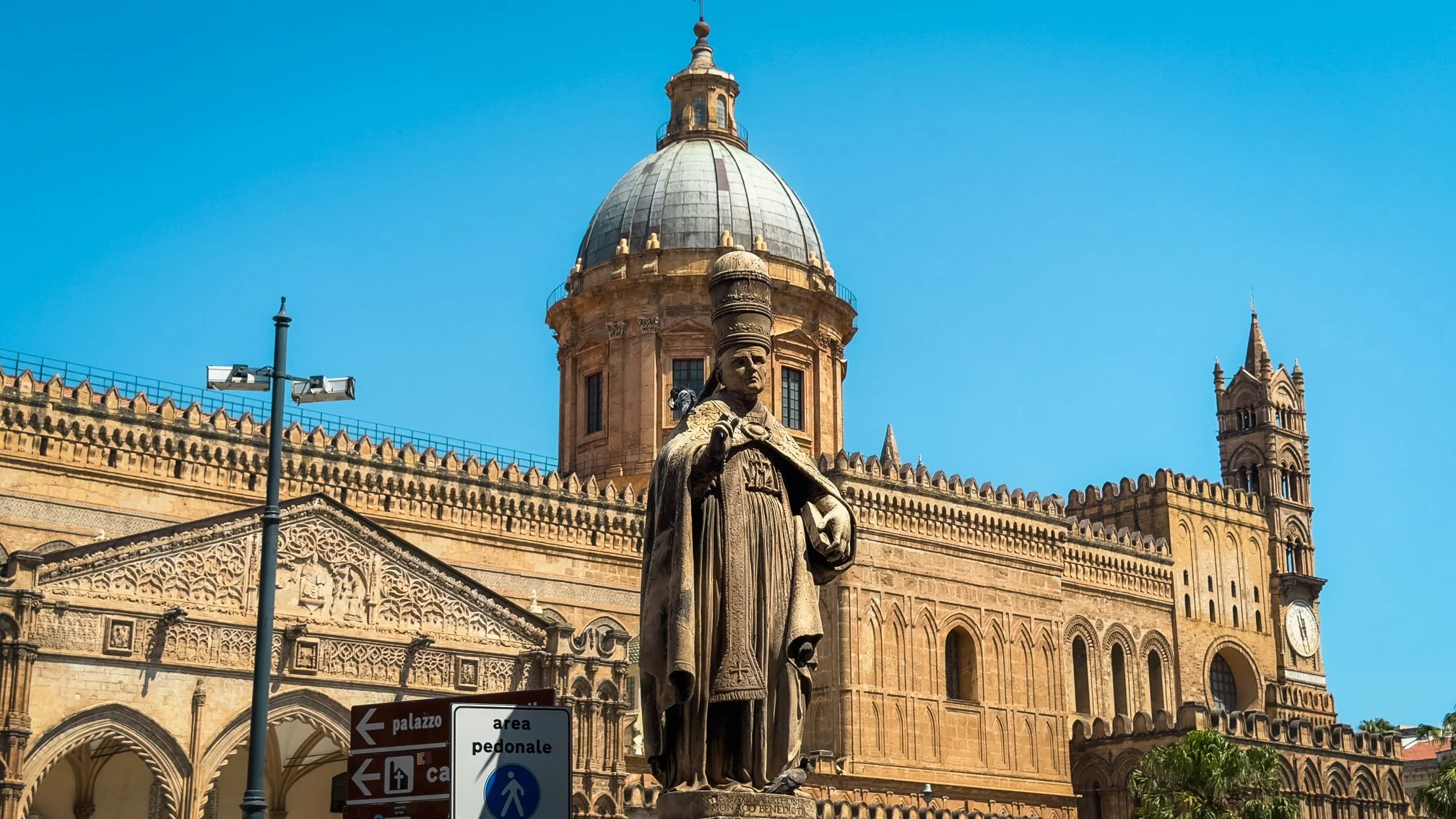
Palermo Cathedral, seen with one of the statues outside the cathedral in the foreground.
Palermo Cathedral
Continue along Via Vittorio Emanuele and you reach Palermo Cathedral.
The cathedral forms part of the UNESCO-listed Arab-Norman Palermo group, which brings together buildings shaped by Western, Islamic and Byzantine traditions during Norman Sicily.
Part of the cathedral interior is free to enter, while the Monumental Area requires a ticket. Paid areas include the rooftops, crypt, treasury, apses and diocesan museum.
Tickets: Palermo Cathedral official ticket shop
Check the official ticket shop shortly before visiting, as access to the rooftops and other areas can change during maintenance.
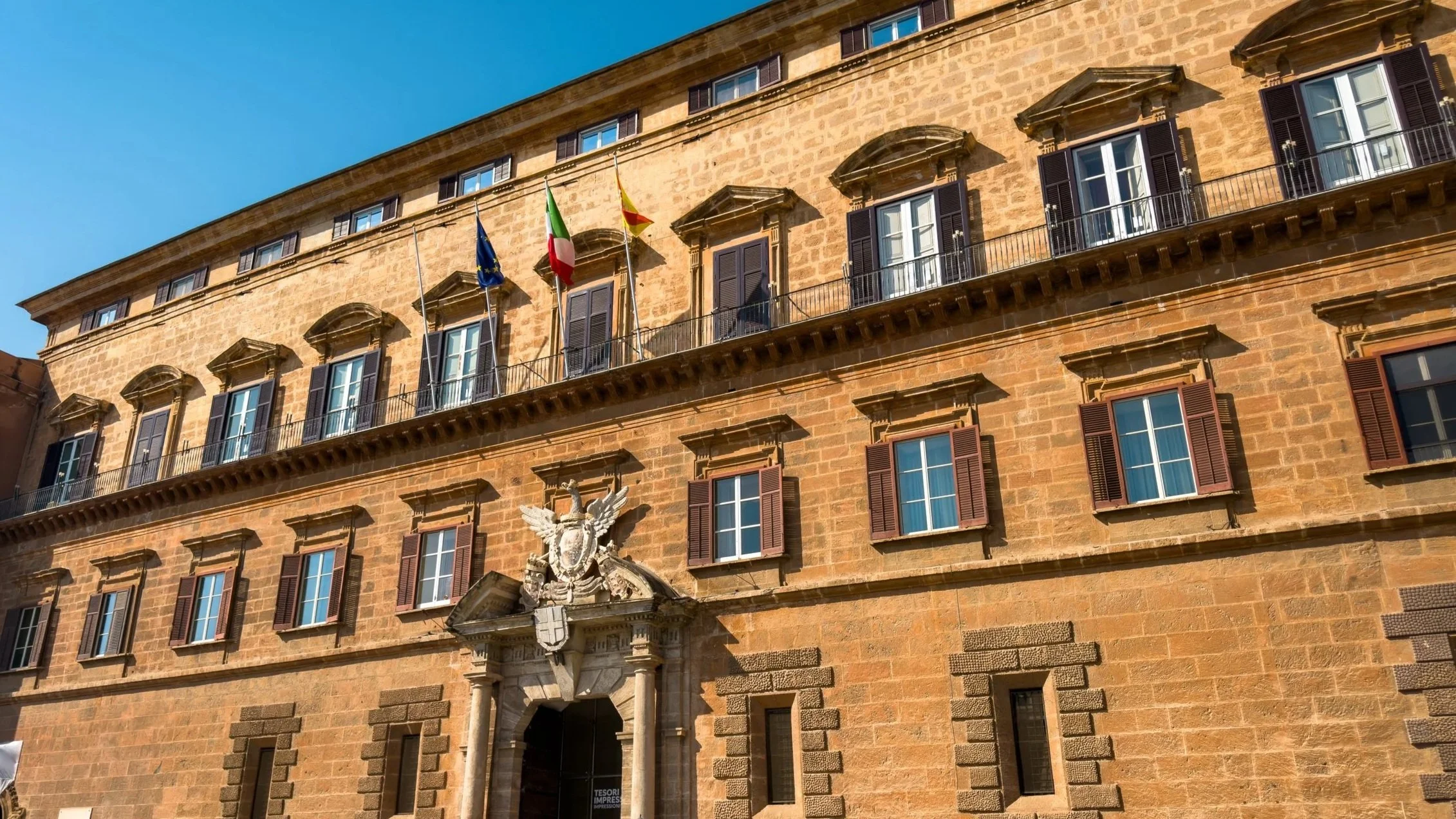
The exterior of Palazzo dei Normanni in Palermo.
Palazzo dei Normanni and Cappella Palatina
The Palazzo dei Normanni, or Royal Palace, and Cappella Palatina are part of Palermo’s UNESCO-listed Arab-Norman heritage.
The Cappella Palatina is one of the clearest examples of Byzantine, Islamic and Western traditions meeting in the same space.
When we visited in August 2026, the Duca di Montalto rooms were hosting Tesori Impressionisti: Monet e la Normandia, with 97 works by 45 artists including Monet, Boudin, Renoir, Courbet and Delacroix. The painted vaulted ceilings were part of what made the setting memorable.
Below the Duca di Montalto rooms are sections of Palermo’s ancient Punic fortifications, uncovered during archaeological excavations in 1984.
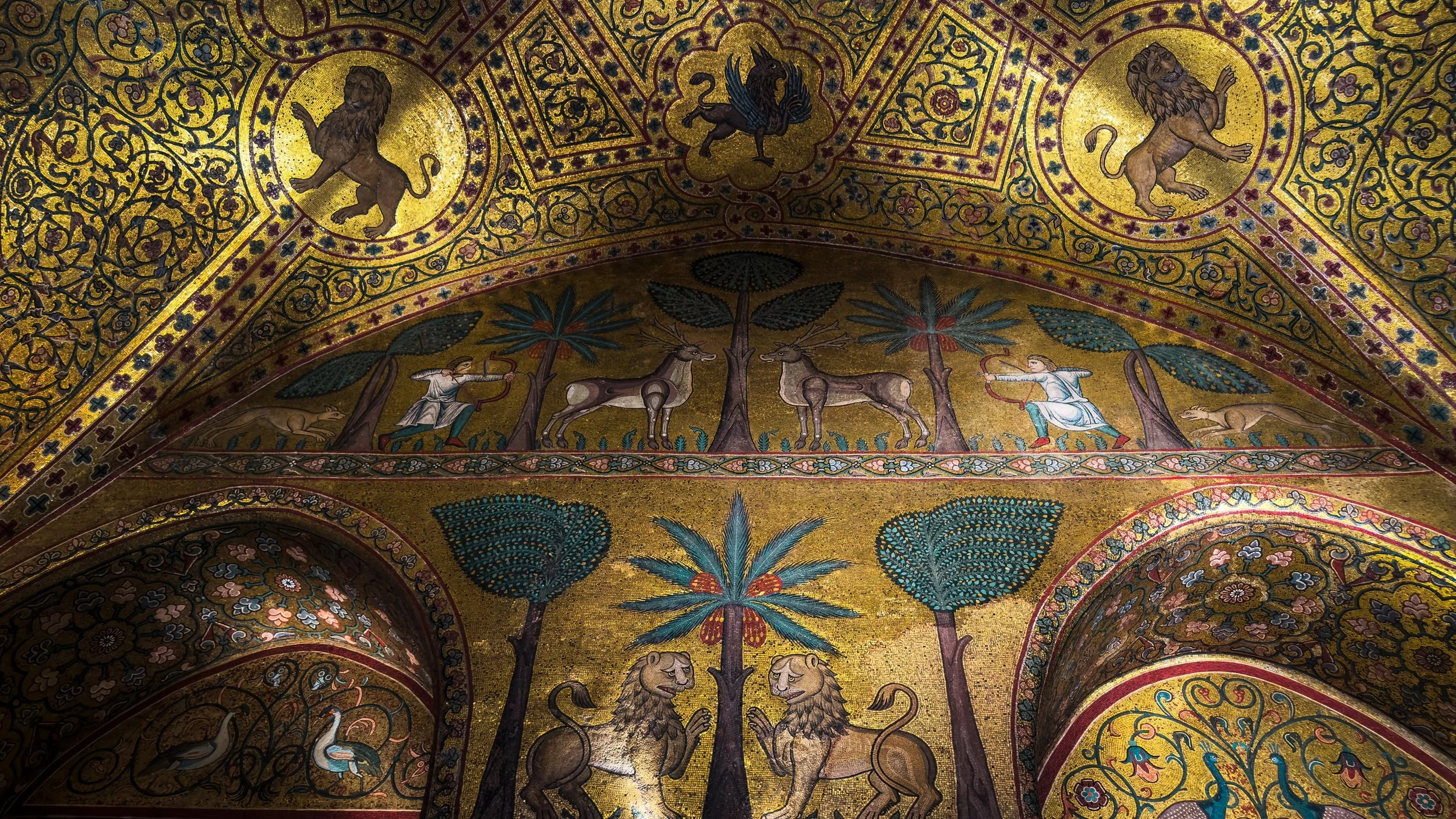
The gold mosaics of the Sala di Ruggero inside Palazzo dei Normanni.
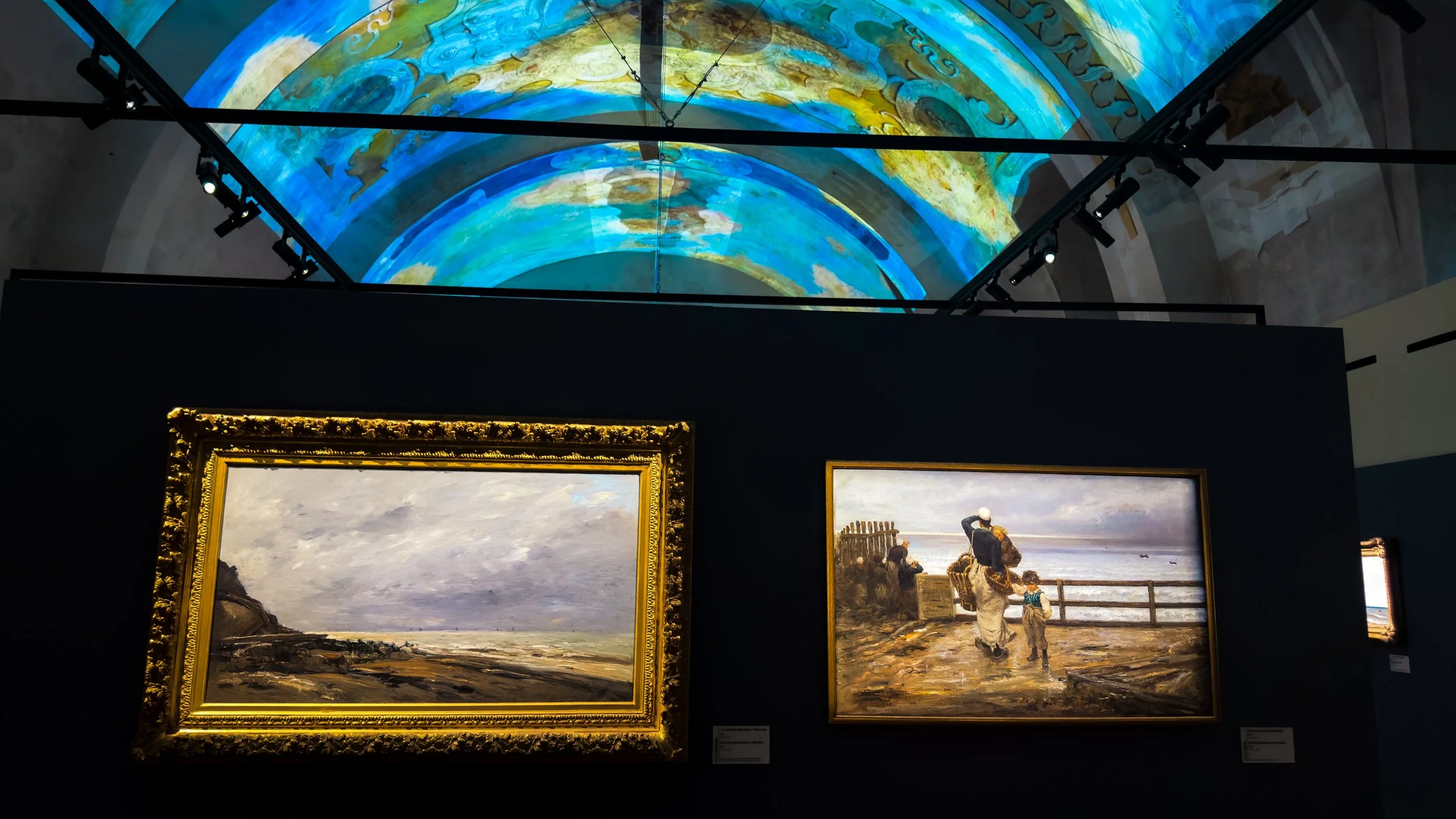
Tesori Impressionisti: Monet e la Normandia in the Duca di Montalto rooms at Palazzo dei Normanni.
If your time in Palermo is limited, I would allow a proper visit here rather than treating the palace as a quick stop.
Tickets: Buy official Palazzo Reale and Cappella Palatina tickets
Guided tour: Book the Norman Palace and Palatine Chapel tour on GetYourGuide
The exhibition runs until 28 September 2026, so check the Fondazione Federico II website to see what is showing when you visit.
Piazza Bellini
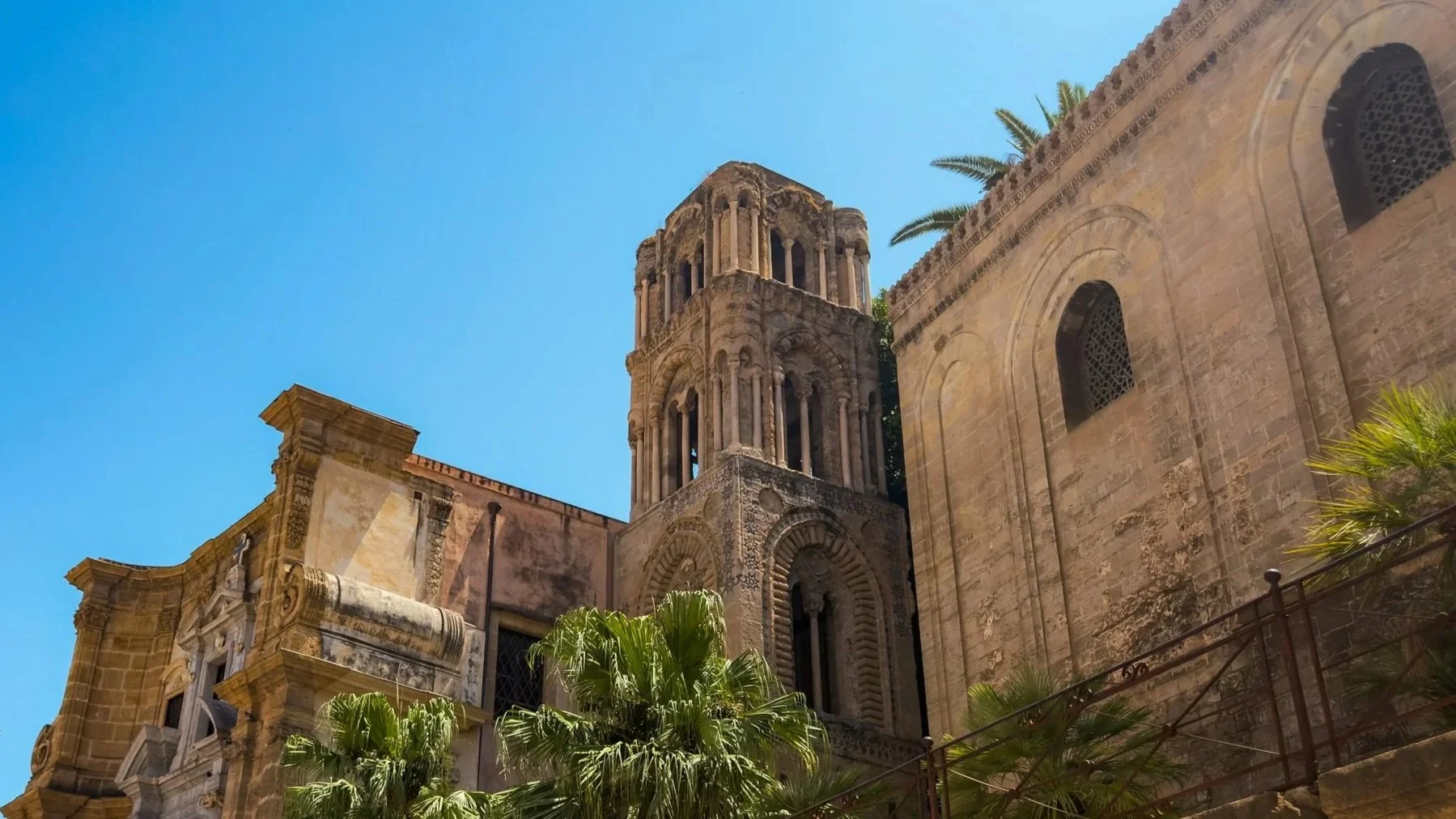
The bell tower of La Martorana beside San Cataldo in Piazza Bellini.
Close to Piazza Pretoria, Piazza Bellini brings several important churches into a small area.
Santa Maria dell'Ammiraglio, usually called La Martorana, and San Cataldo are both part of the UNESCO listing.
It fits naturally between Quattro Canti and the cathedral.
Piazza San Domenico and the Church of San Domenico
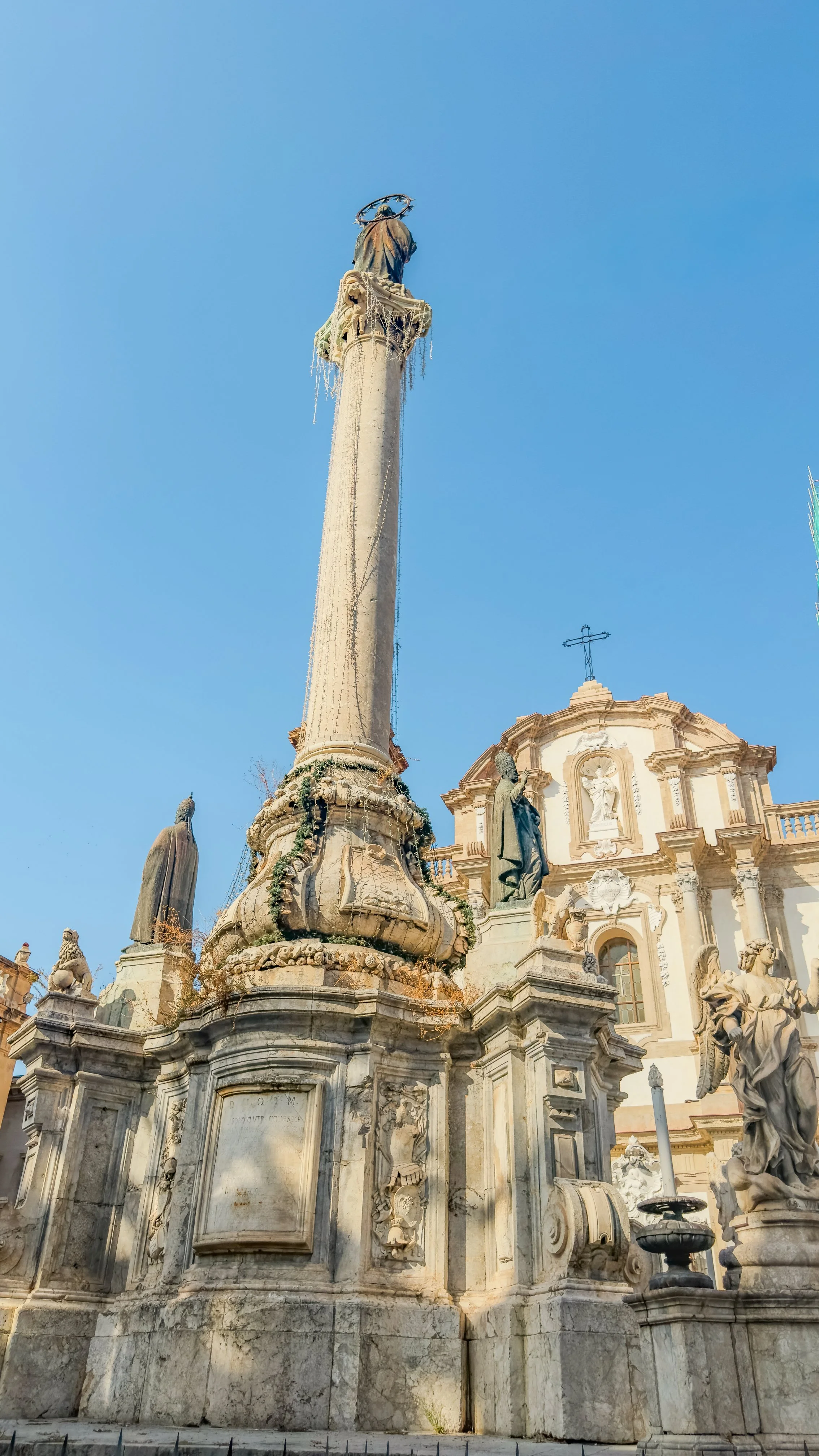
The Colonna dell’Immacolata in Piazza San Domenico, with the Church of San Domenico behind it.
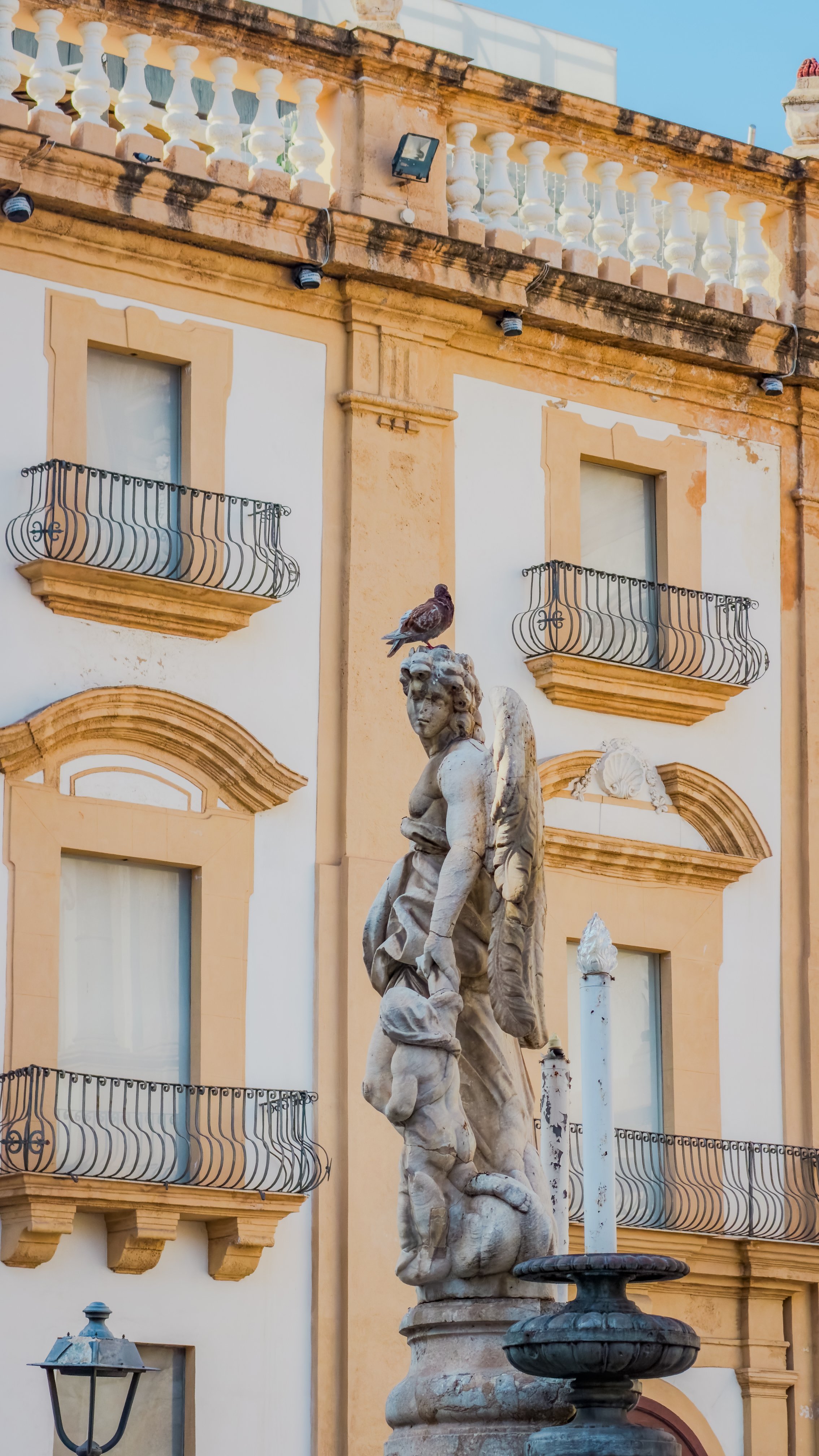
A marble angel sculpture in Piazza San Domenico.
Piazza San Domenico is another easy stop while walking through the historic centre.
At the centre of the square stands the Colonna dell’Immacolata, a Baroque monument built in the 1720s and topped by a bronze statue of the Immaculate Conception. The base is surrounded by marble figures, while the Church of San Domenico rises behind it.
A church has stood here since the Middle Ages, but the present building dates to 1726. Since 1853 it has served as Palermo's pantheon, with prominent Sicilian artists, writers and political figures buried inside.
We passed through the square during our time in Palermo, and I liked the contrast between the tall column, the church façade and the smaller sculptural details around its base.
The church is normally open to visitors, and there is also a cloister. Palermo’s tourism office currently lists a minimum contribution of €2 for visiting the cloister, though opening hours and prices can change.
Visitor information: Church of San Domenico and cloister
Palermo's markets
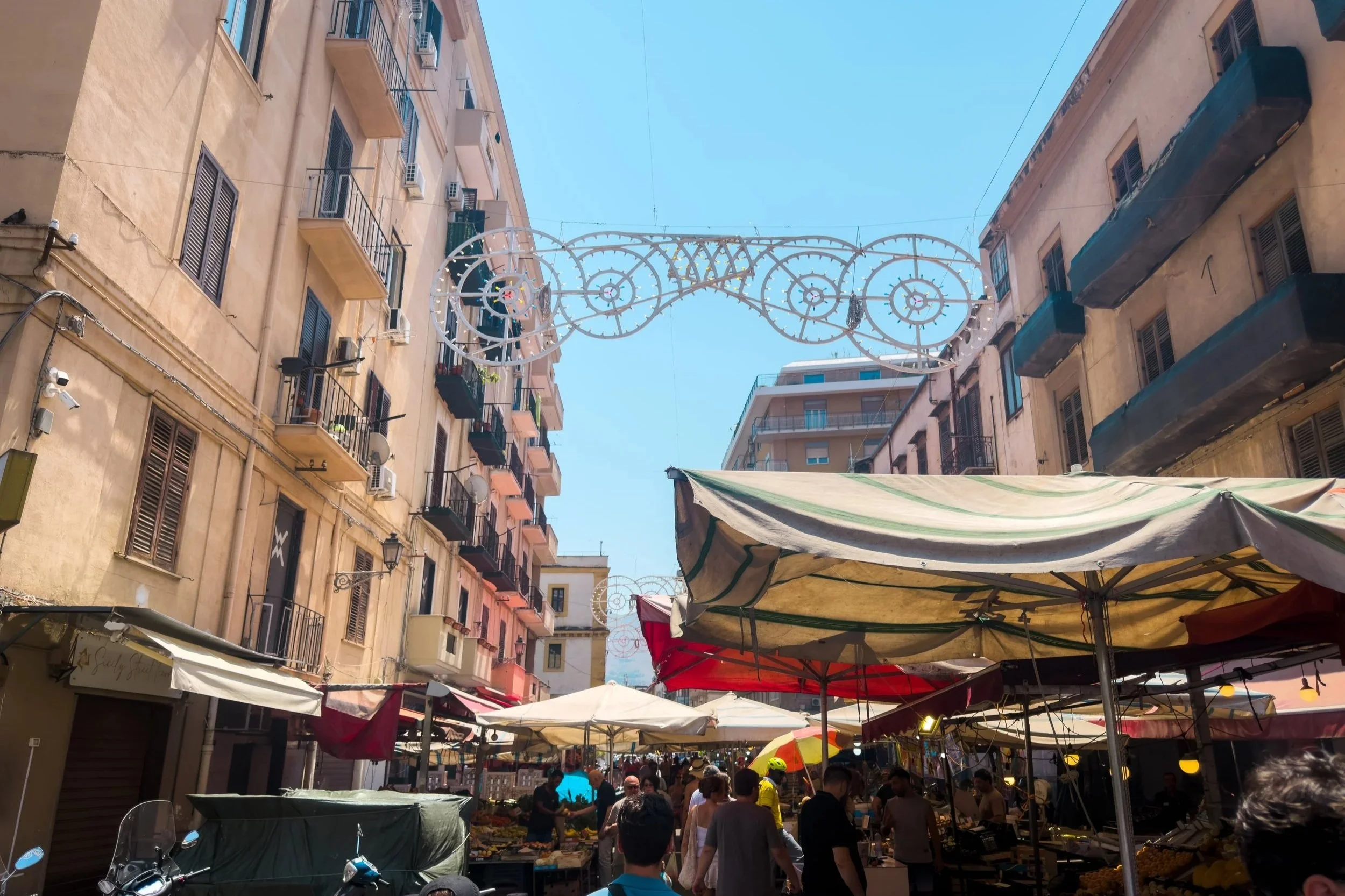
Mercato Ballarò in Palermo, with produce stalls extending beneath canvas awnings.
Ballarò, Capo and Vucciria are among the city's historic markets.
I would not arrive with a rigid checklist of street foods. Walk through, see what is being prepared and stop when something appeals.
The food in Palermo is good enough without turning every snack into an assignment.
If you would rather explore the markets with someone who can explain the food and the streets around them, there are several guided options.
Food tour: Browse Palermo street-food and market tours on GetYourGuide
Where I stayed in Palermo
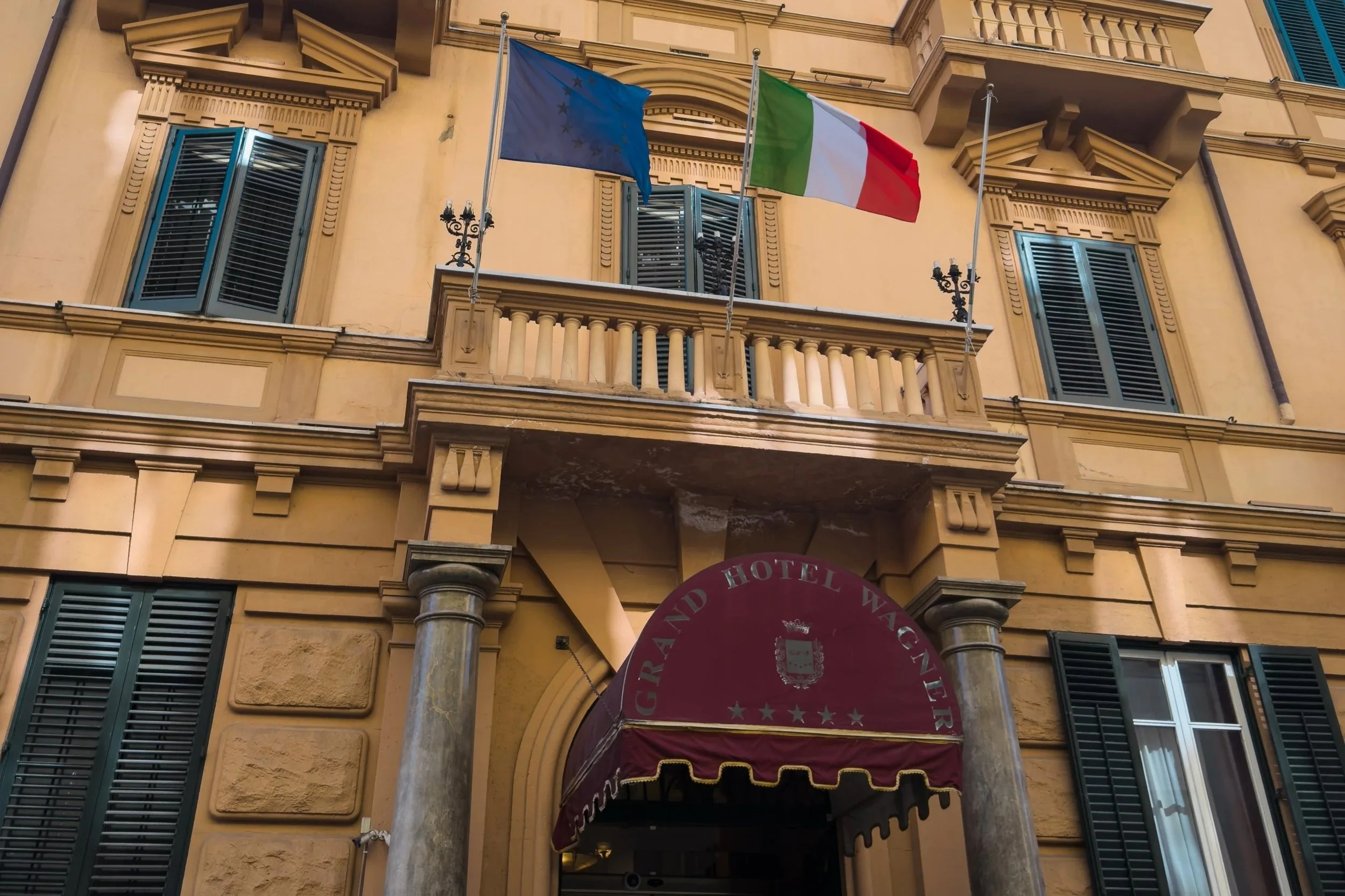
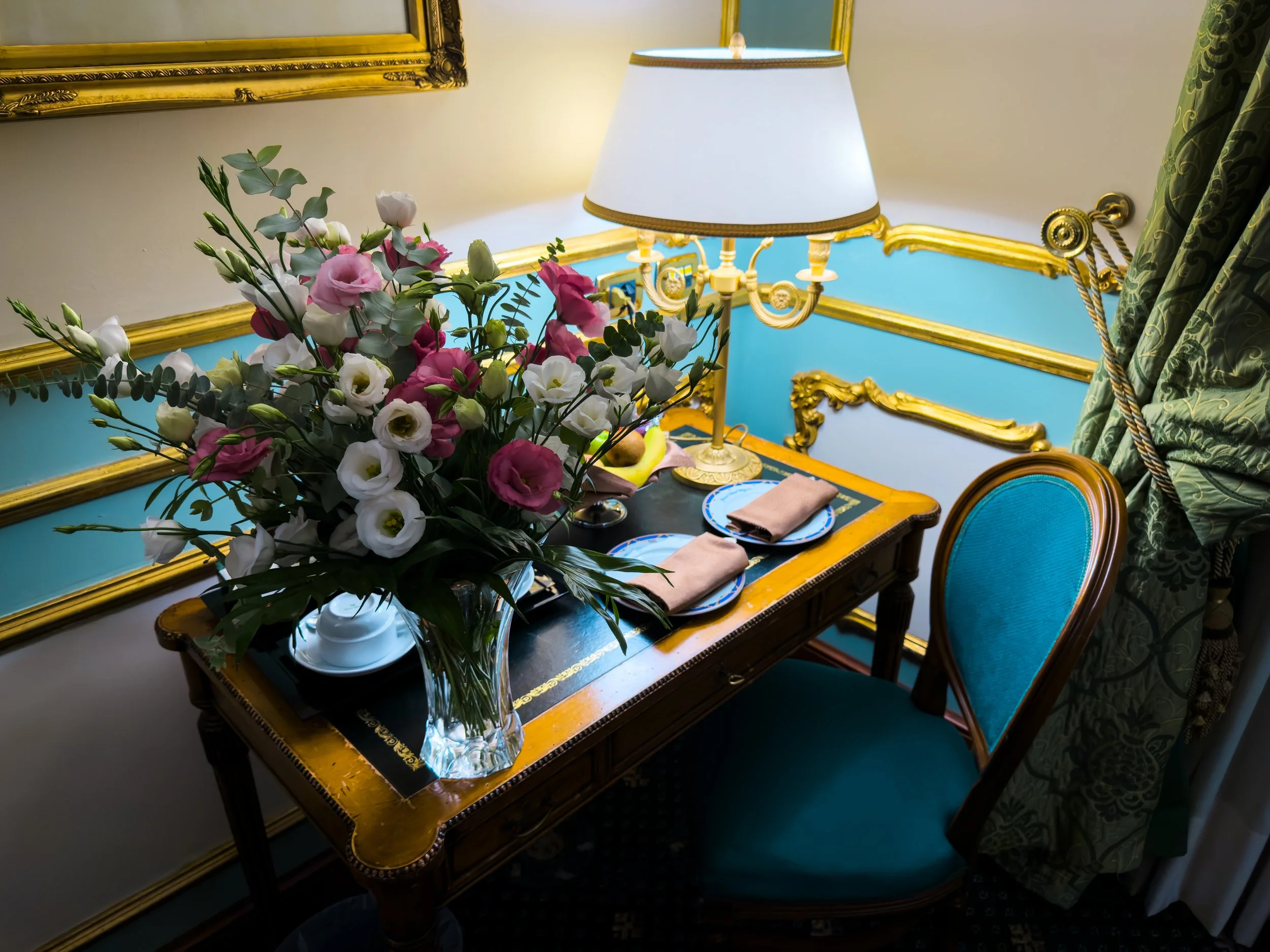
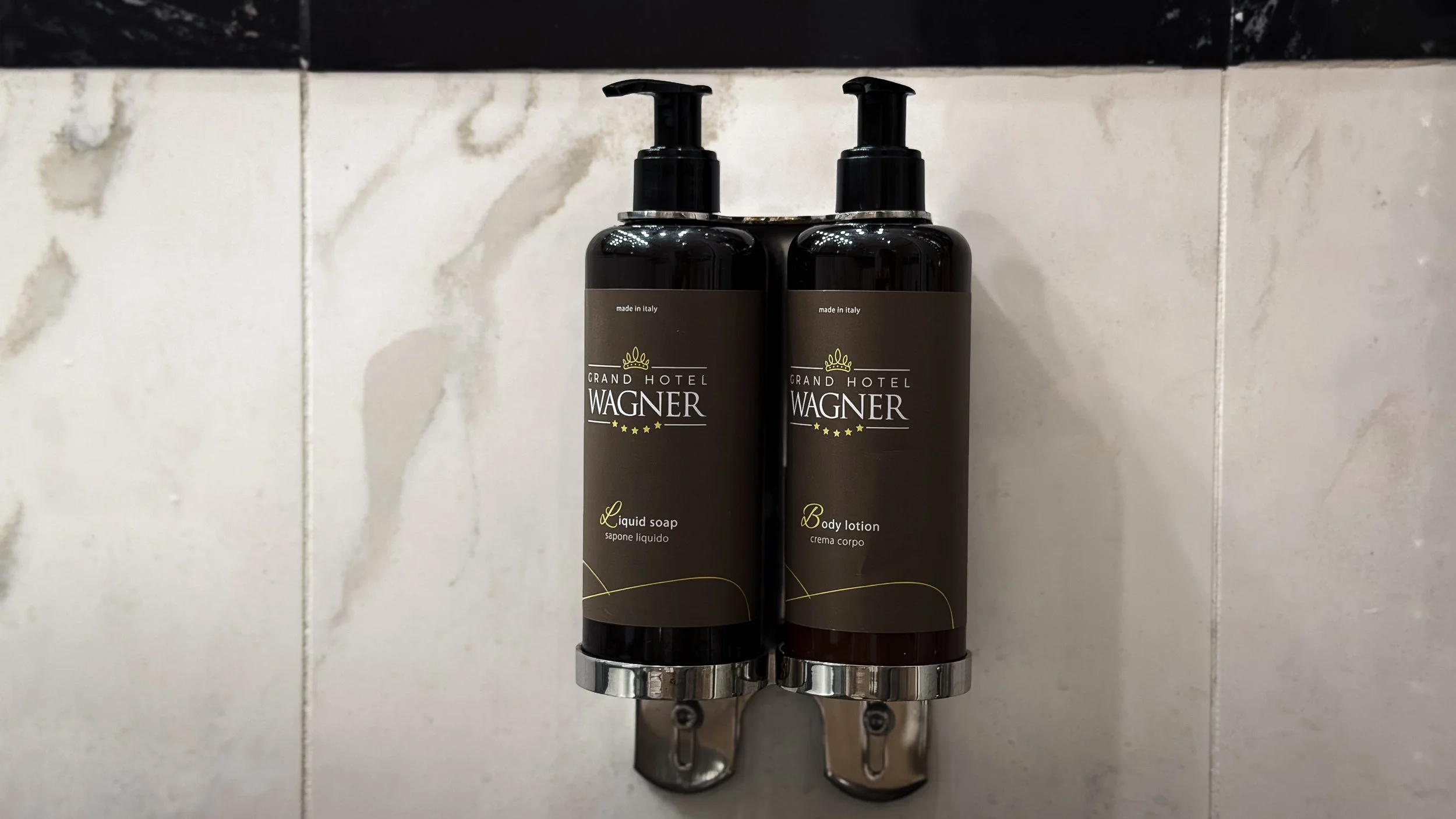
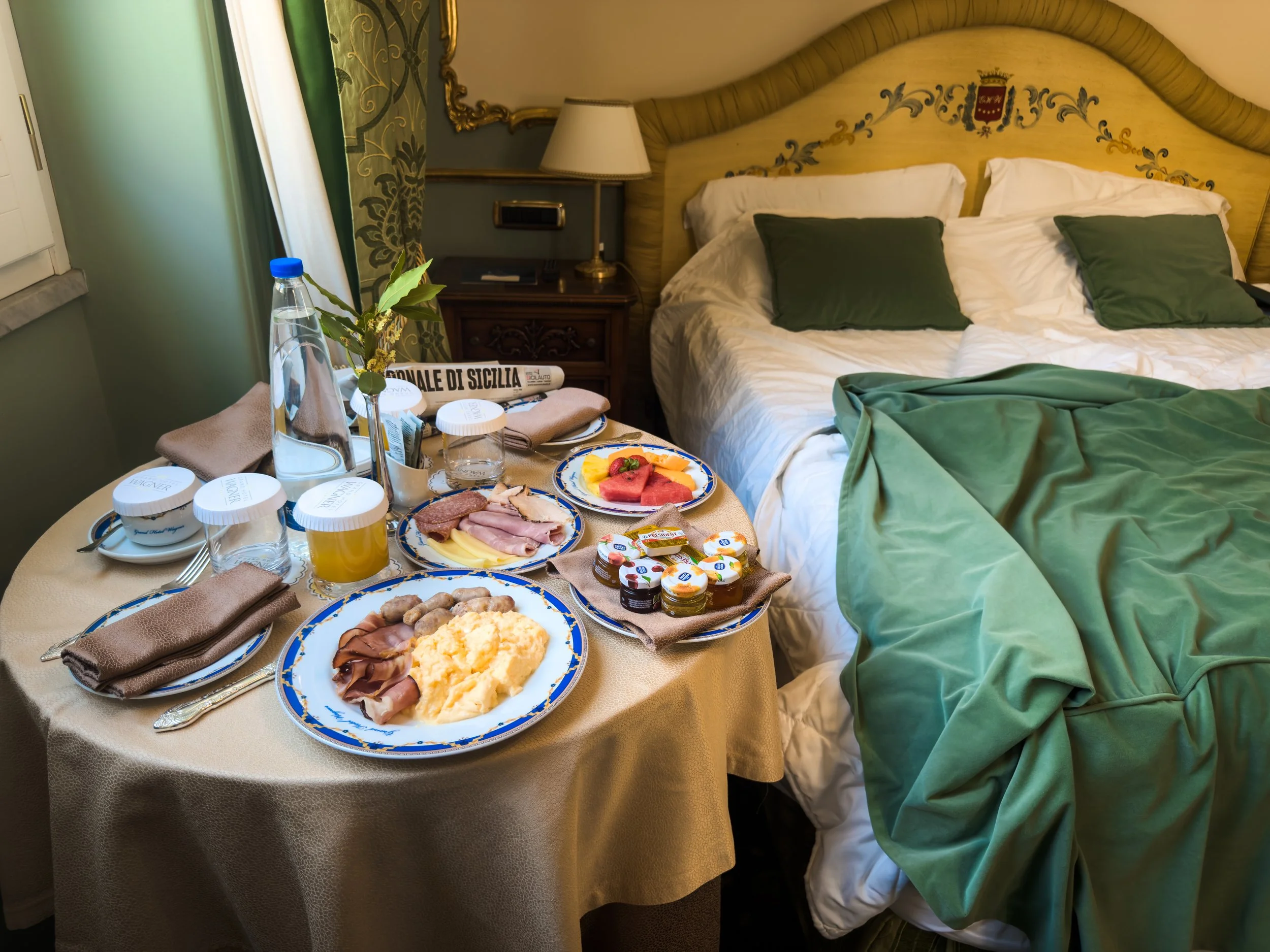
Grand Hotel Wagner
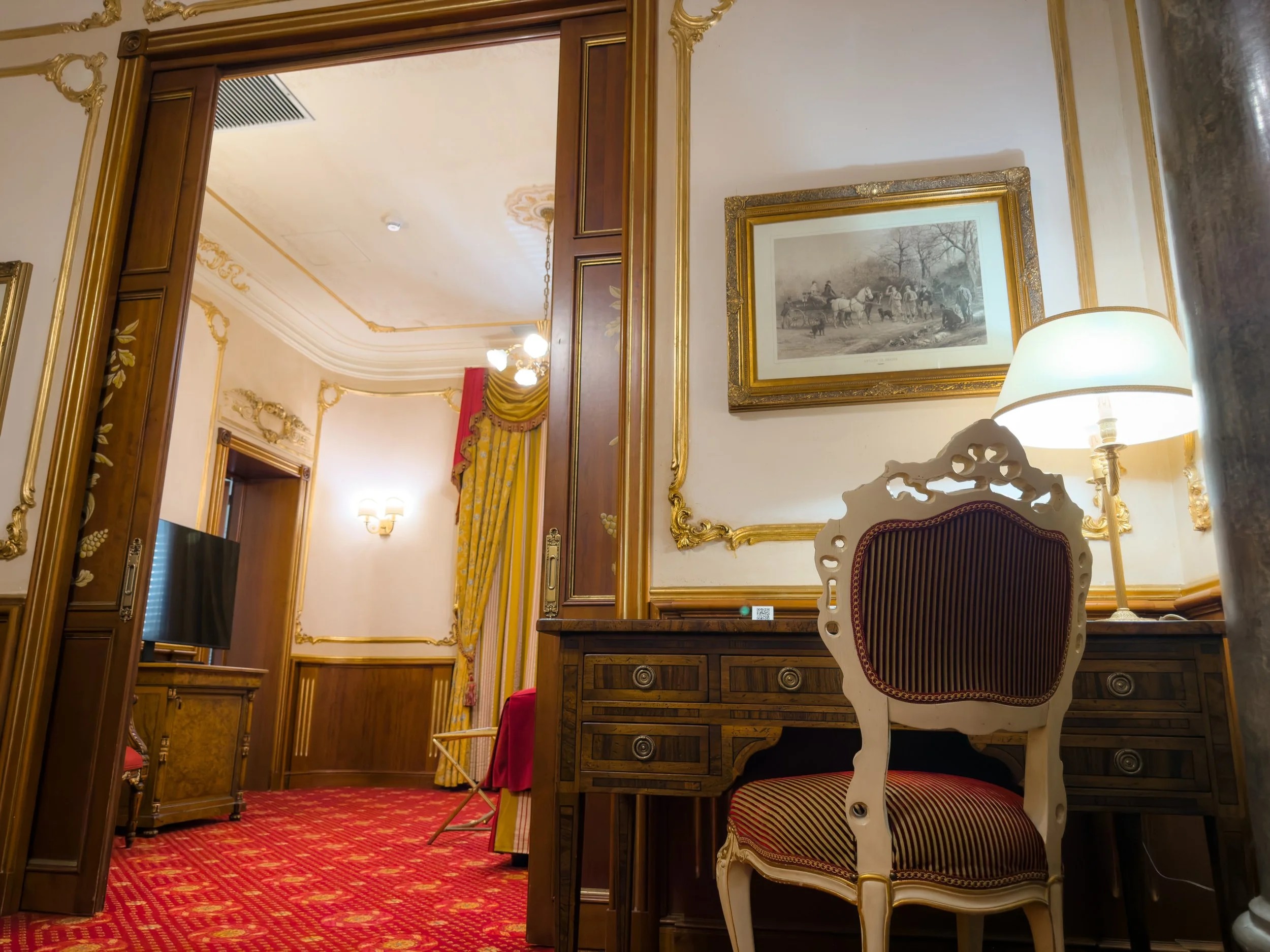
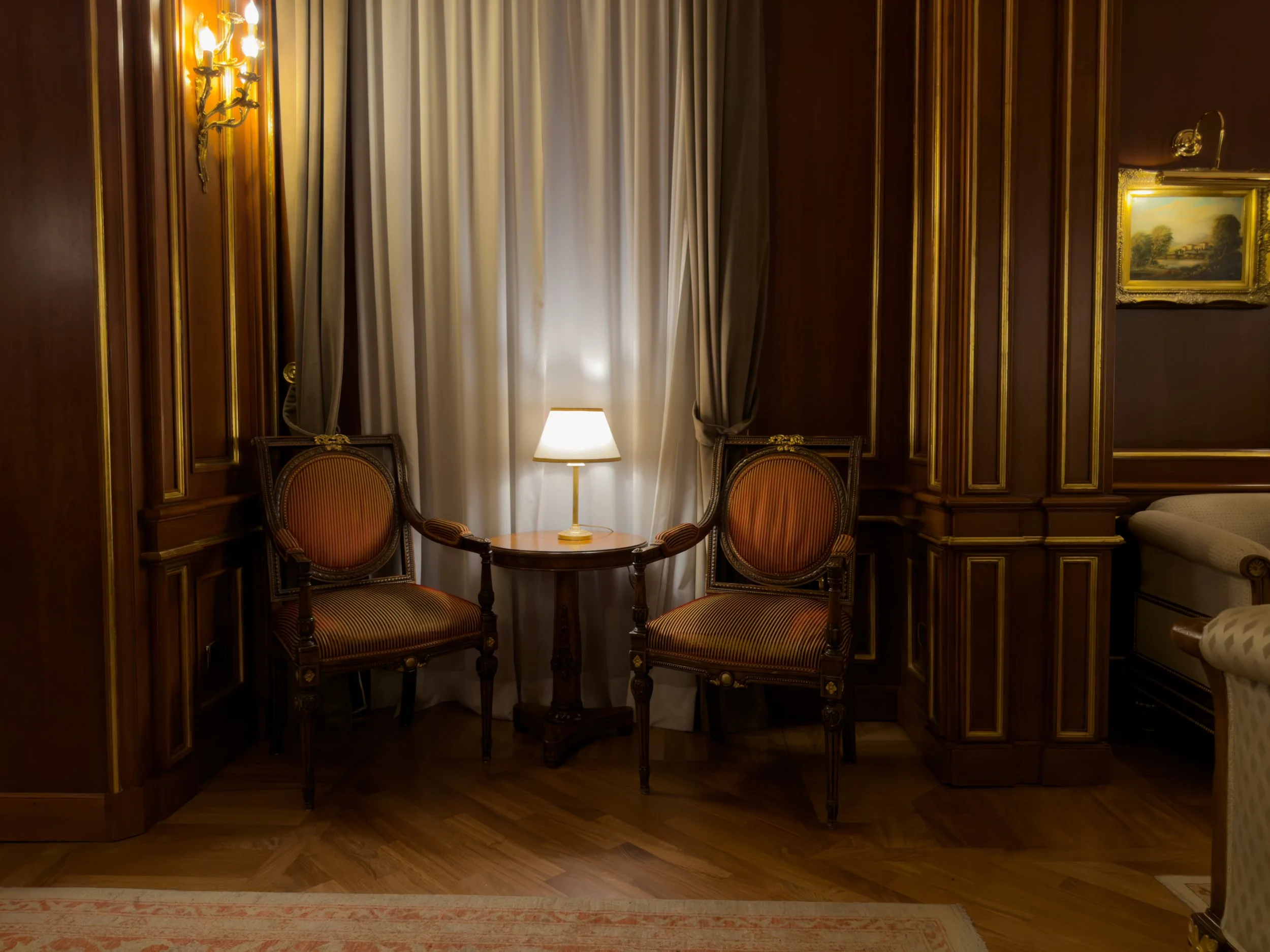
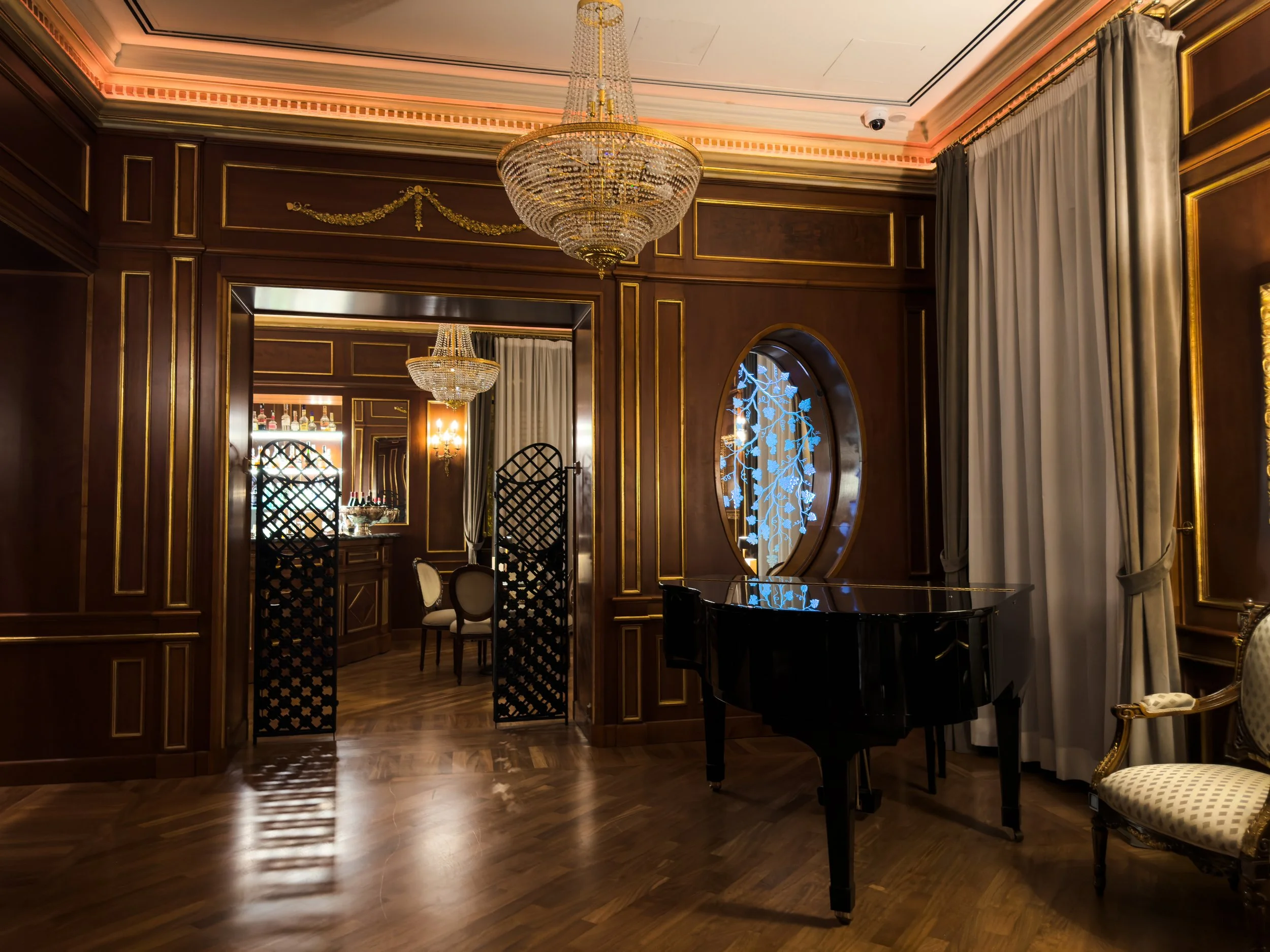
Grand Hotel Wagner was our base in Palermo.
It sits on Via Riccardo Wagner, between the Politeama area and Teatro Massimo, with much of central Palermo reachable on foot.
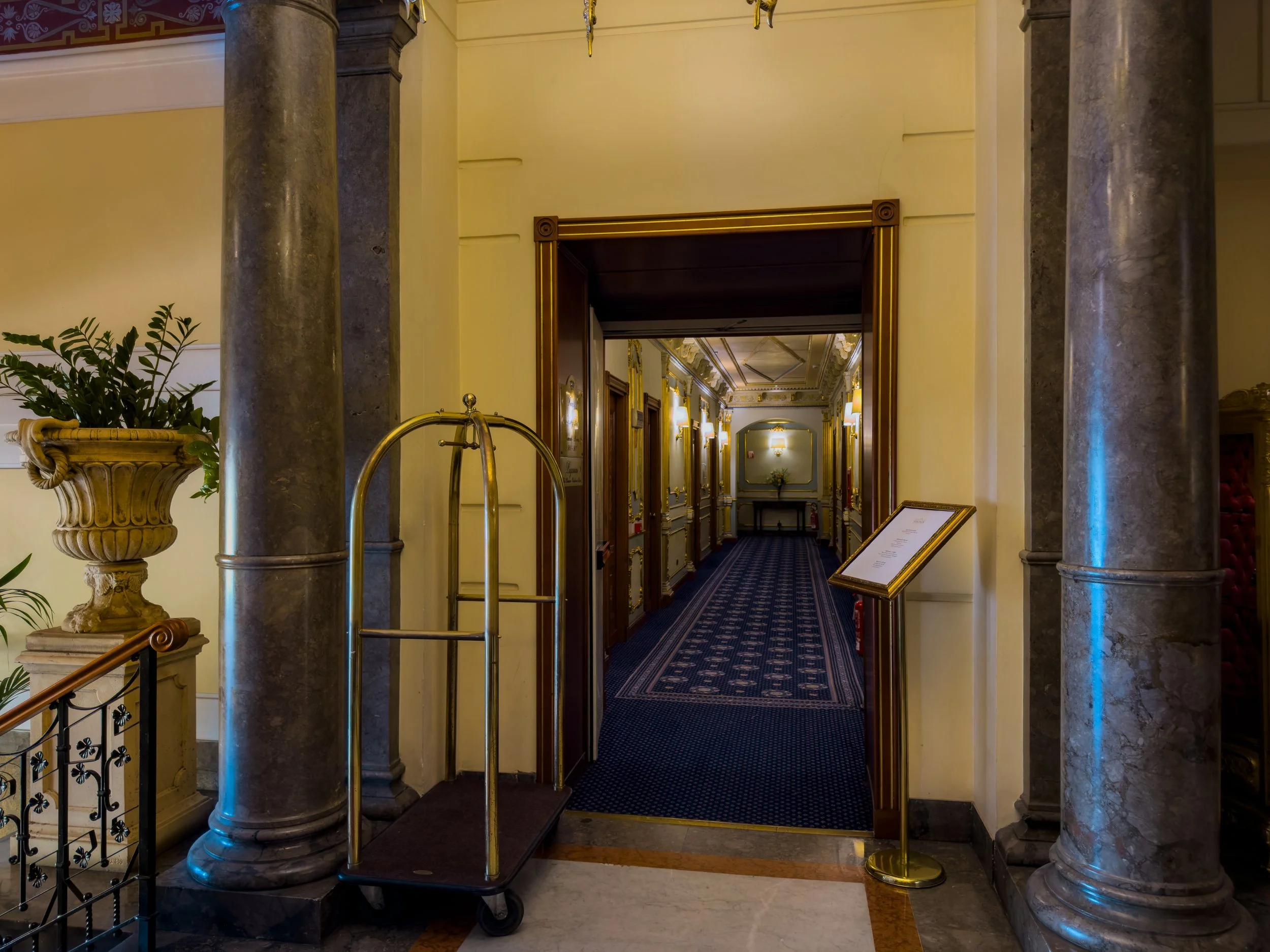
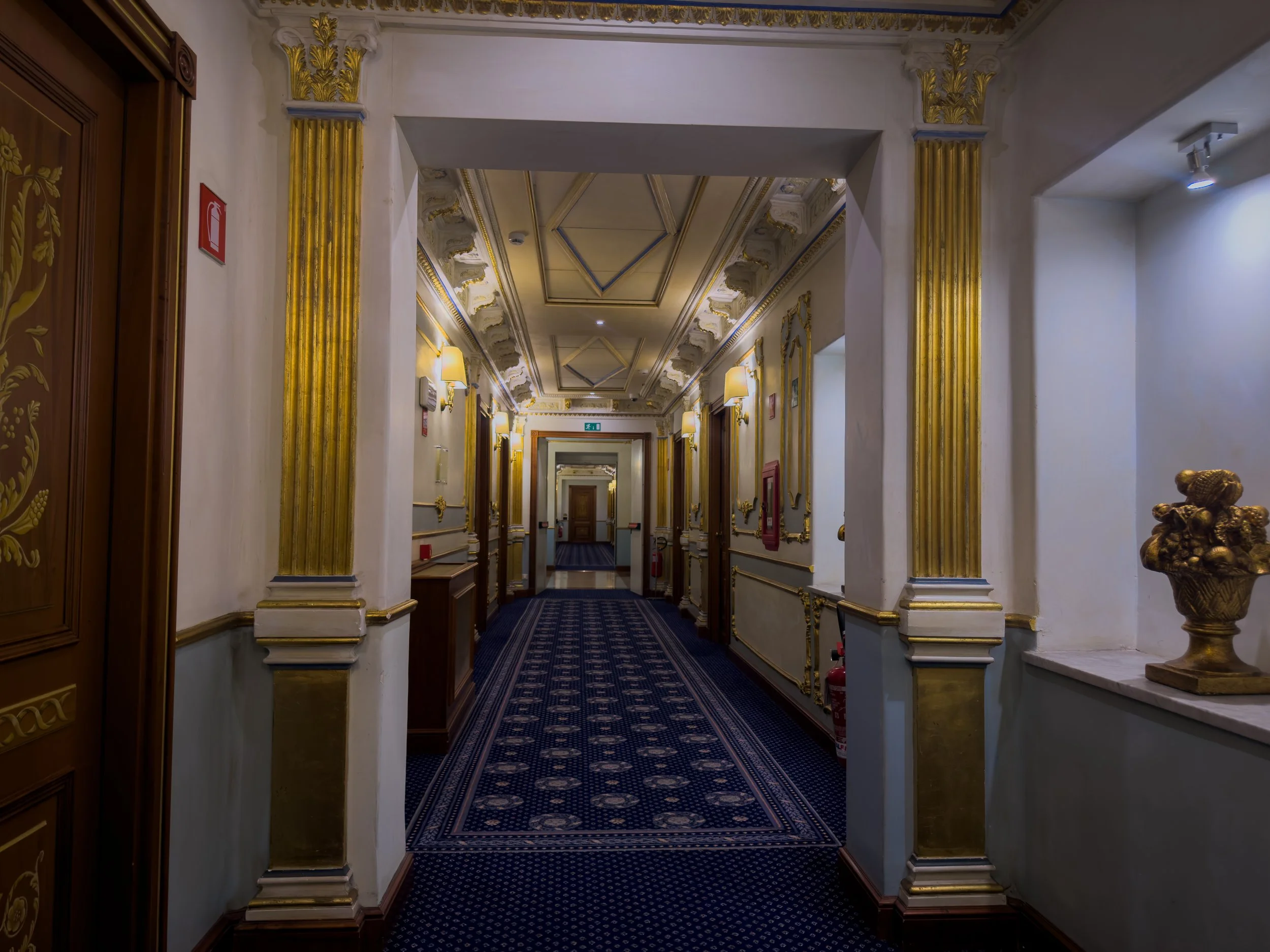
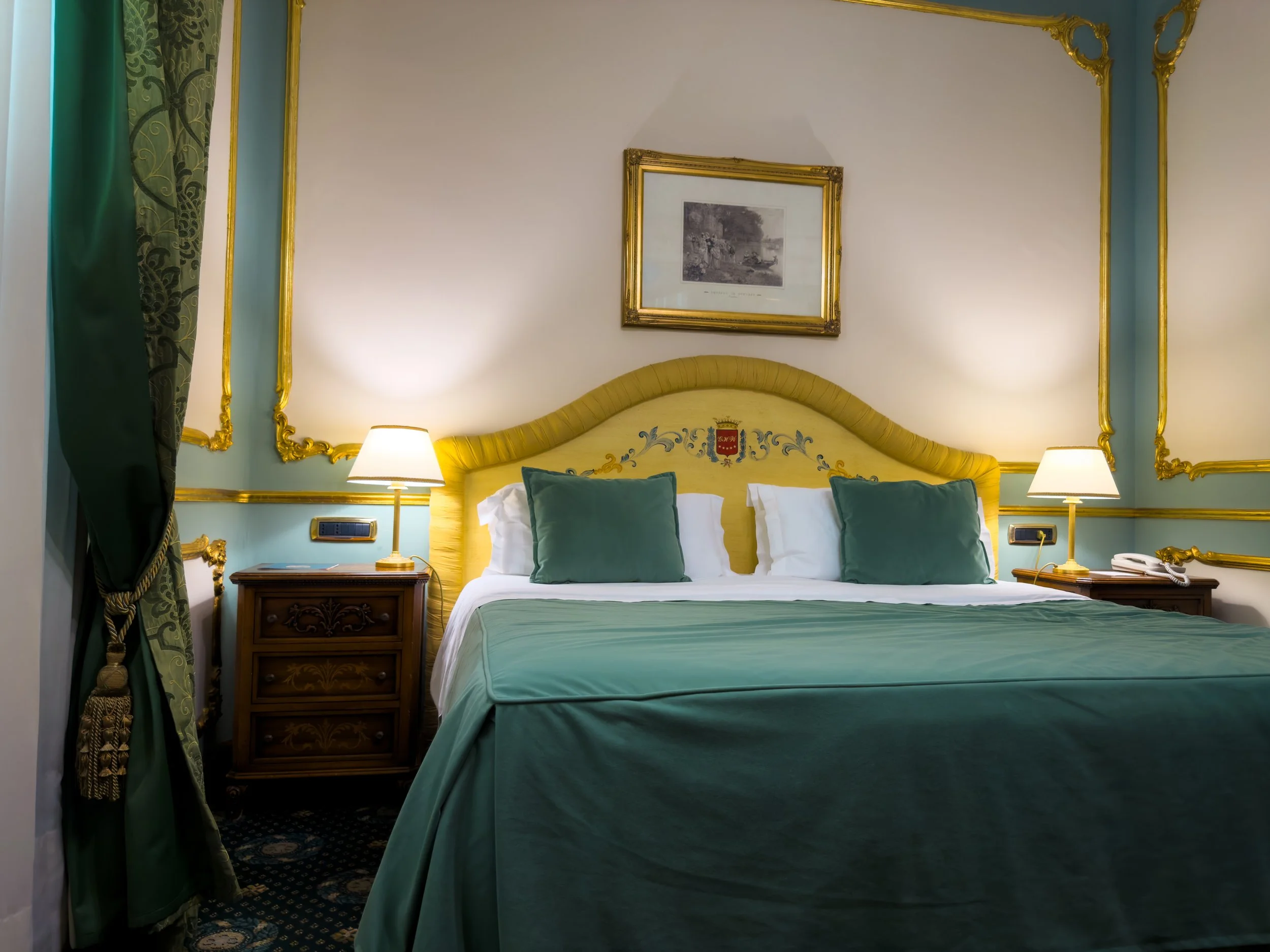
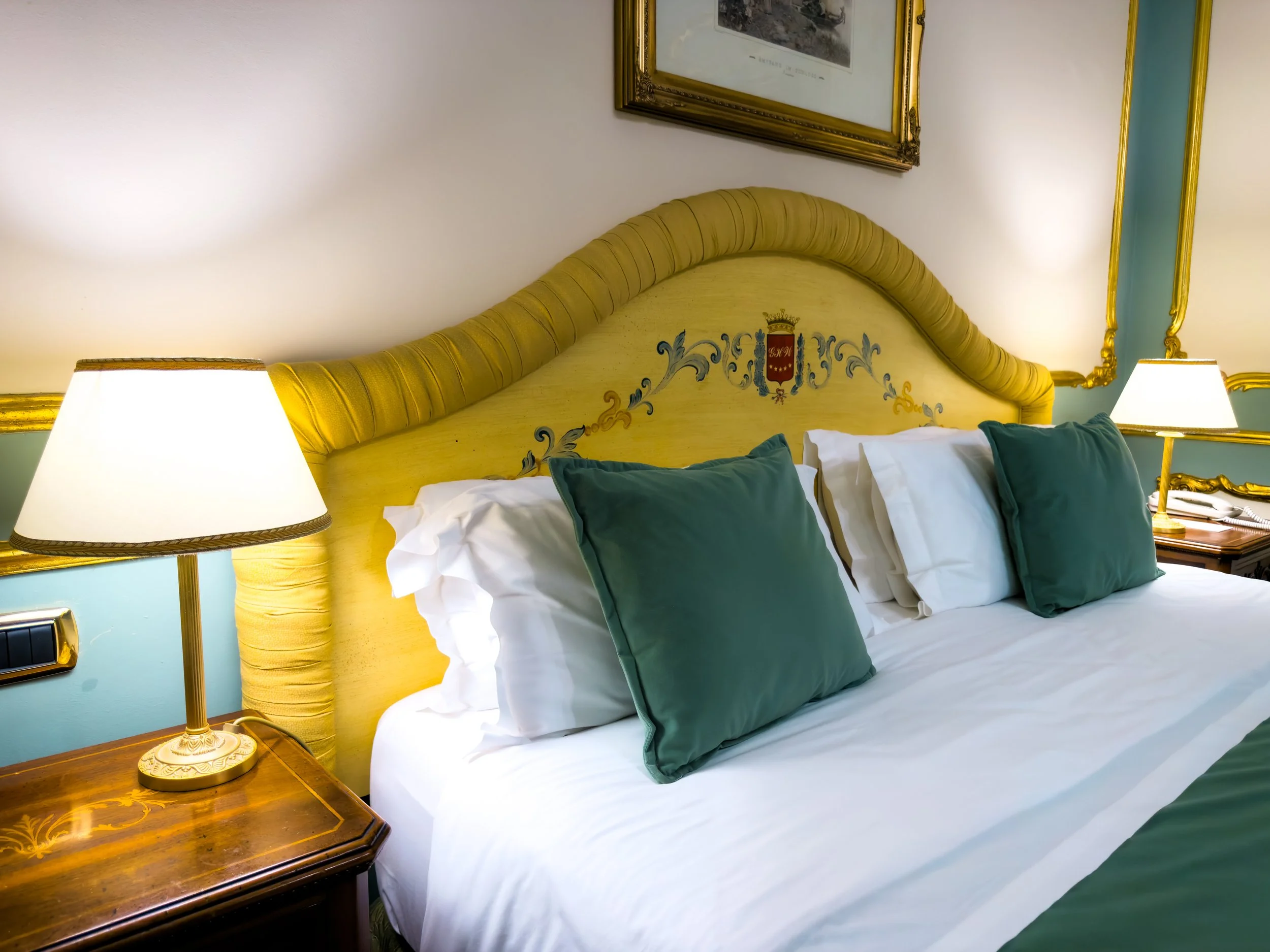
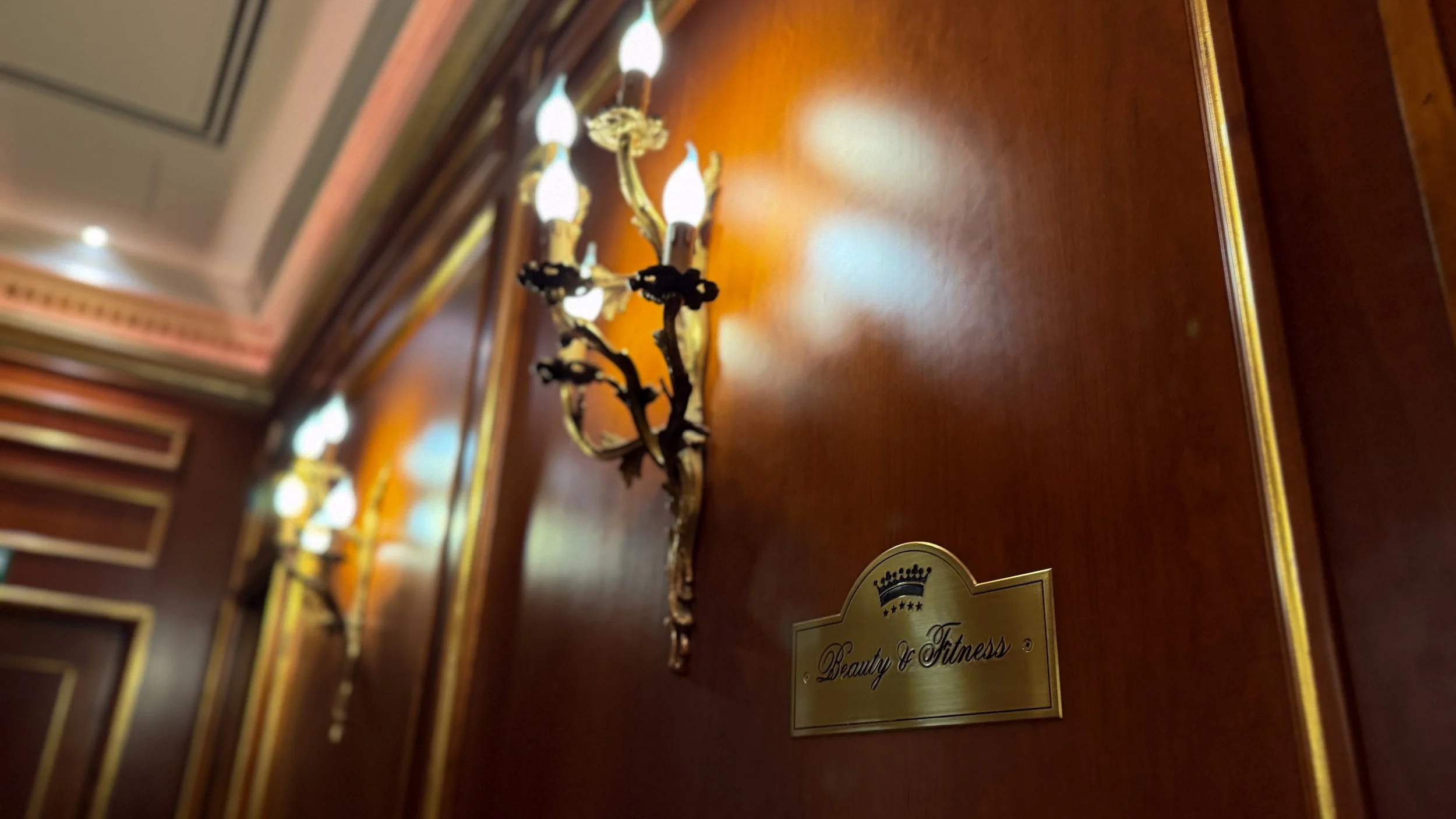
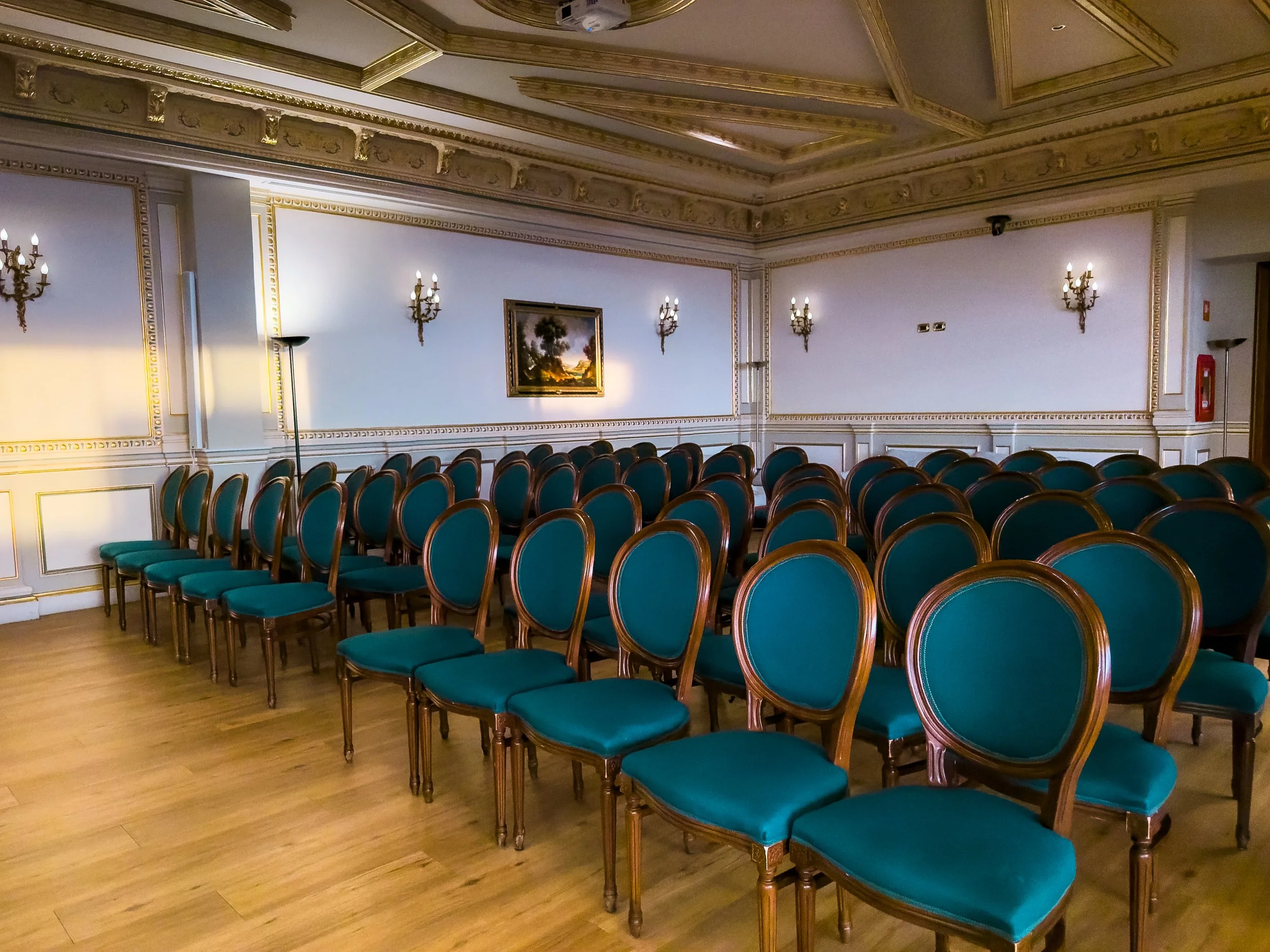
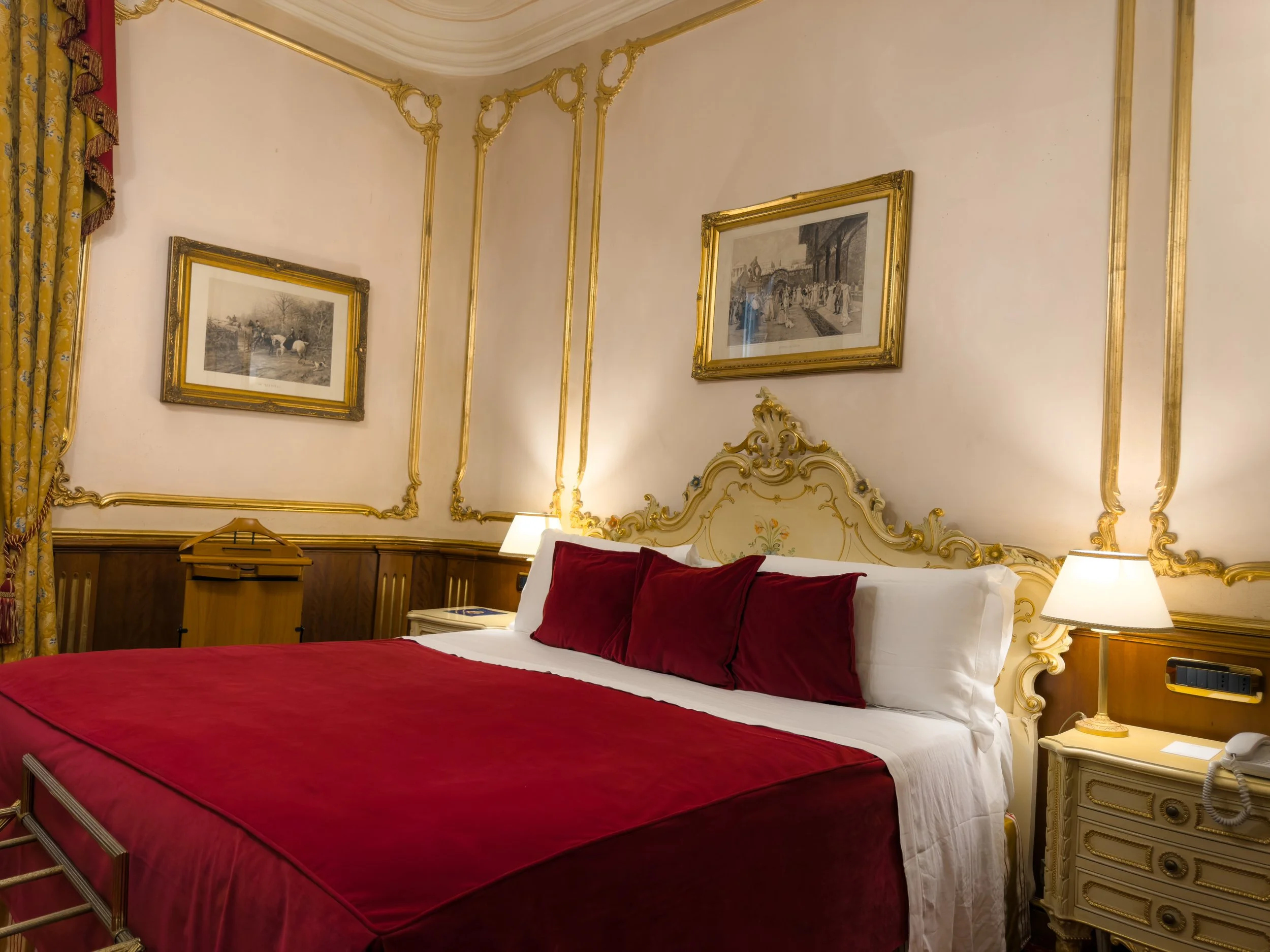
The interiors are traditional, with dark polished wood, chandeliers, framed paintings, patterned fabrics and classical furniture continuing from the public rooms into the bedrooms. It does not try to resemble a new minimalist luxury hotel.
Service was what I remembered most.
Staff recognised us when we returned, greeted us throughout the stay and took time to speak with us. During conversations with hotel director Gisella Catanzaro, one idea came up several times: the people staying at Wagner are treated as guests rather than customers. That distinction made sense after spending several days there.
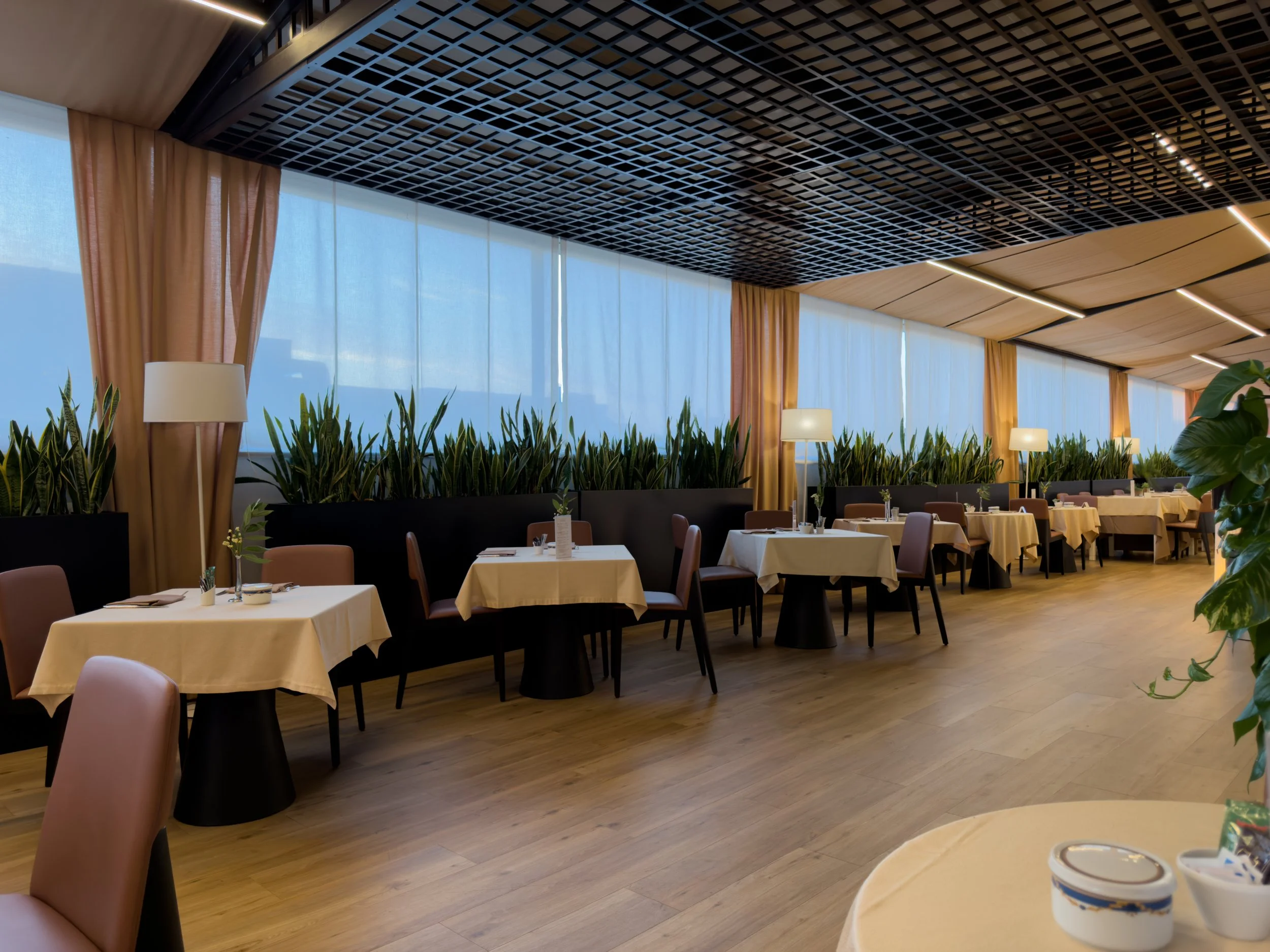
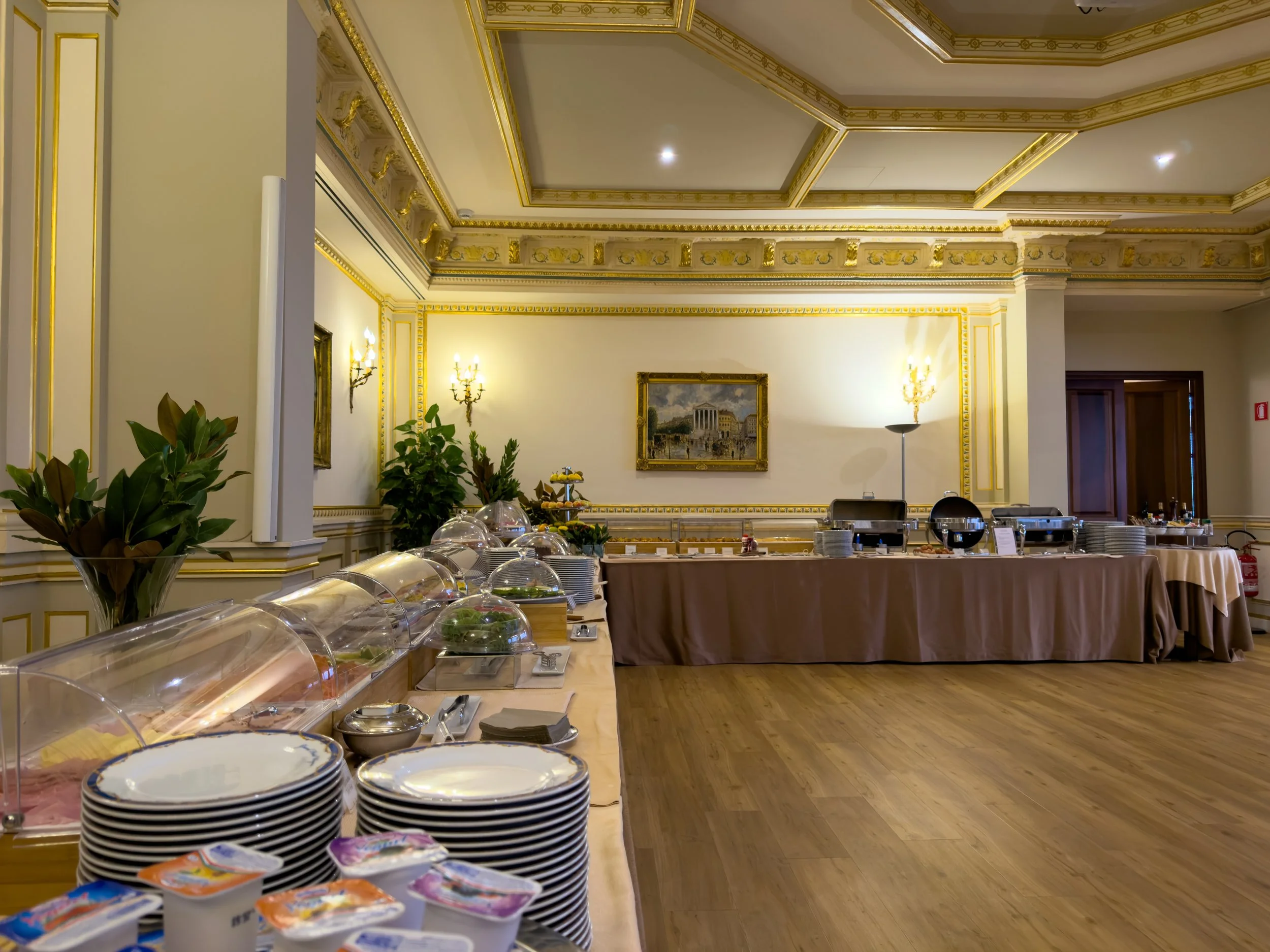
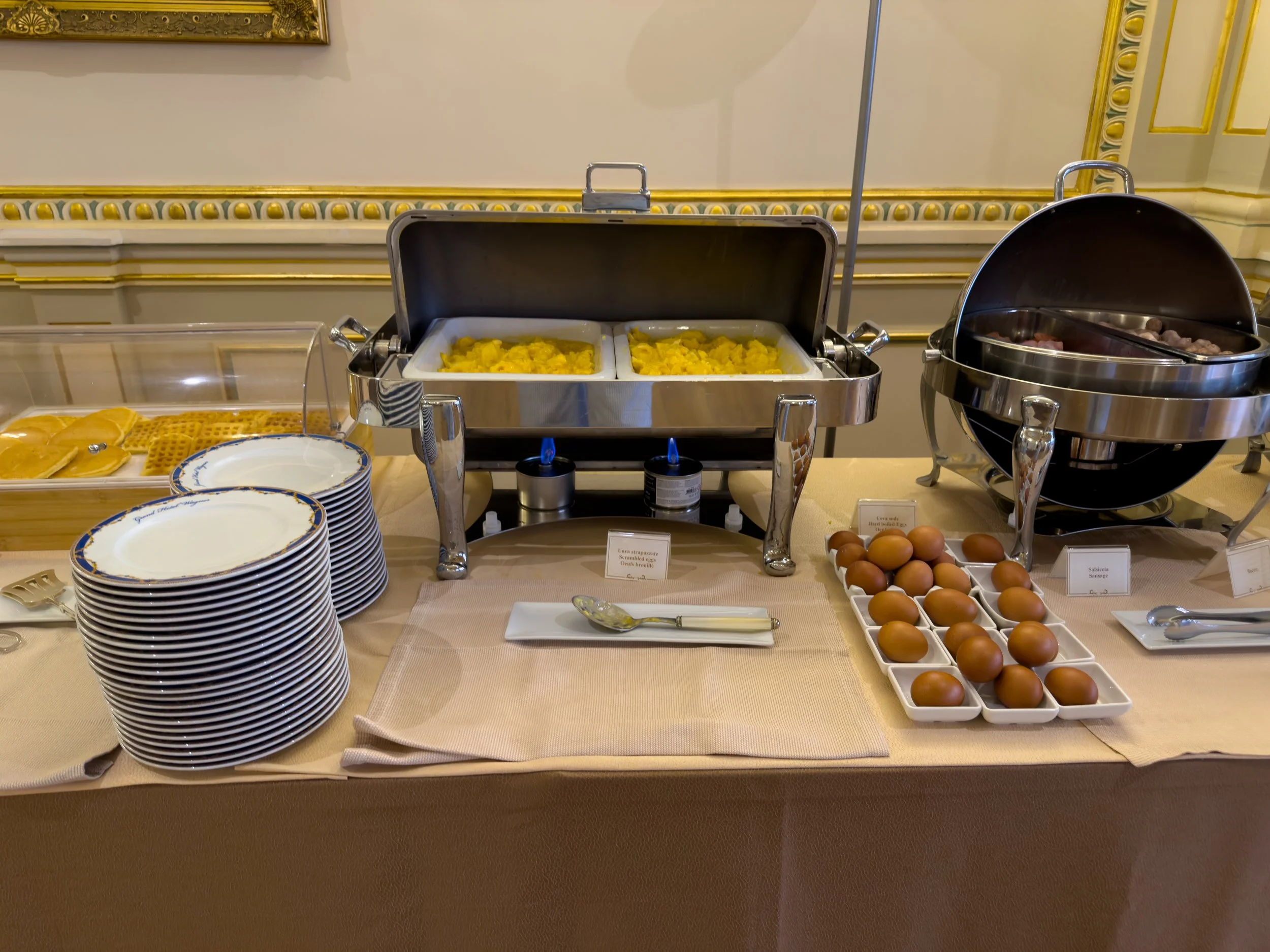
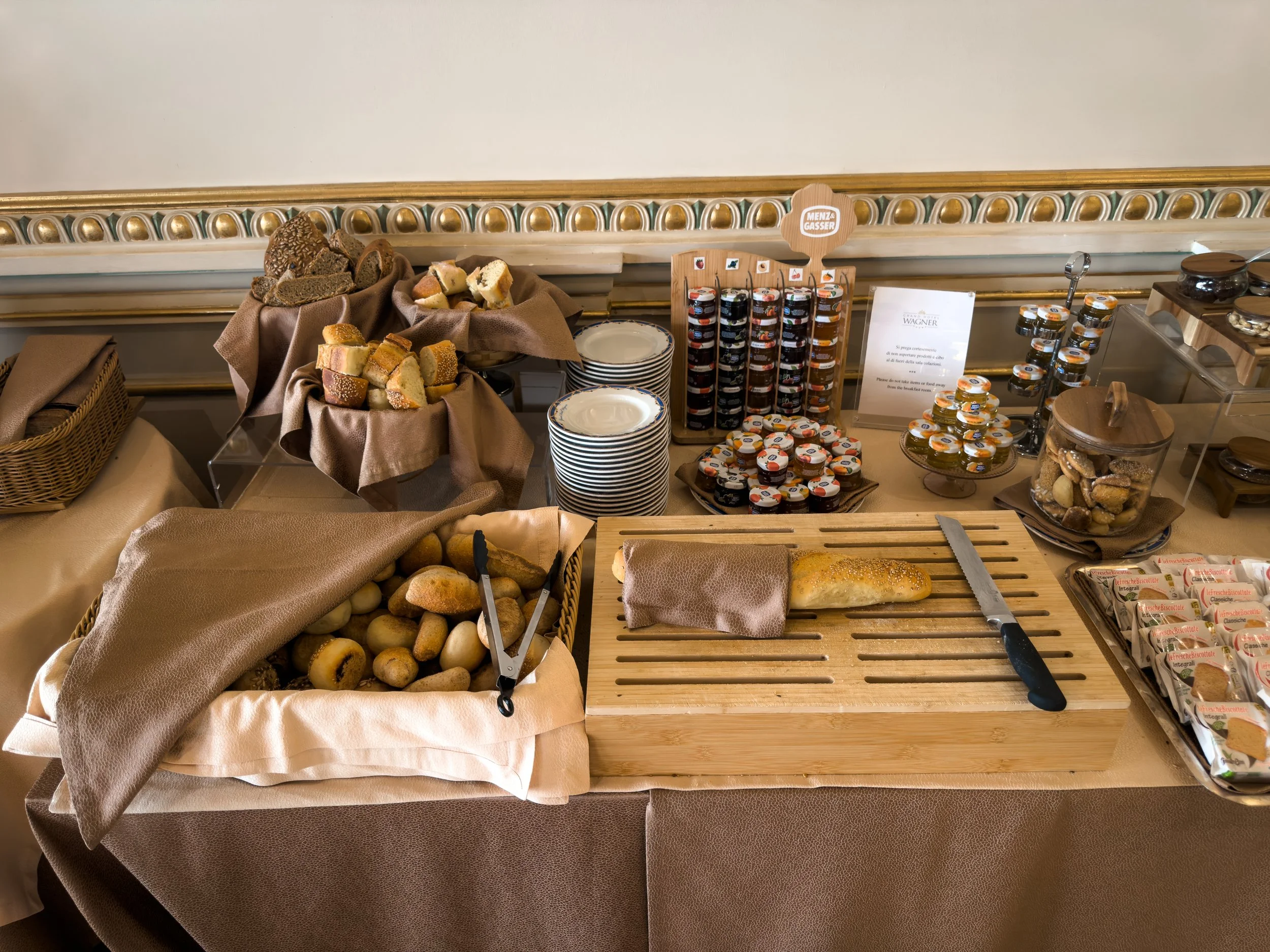
Breakfast is served on the fourth floor, with Sicilian sweets alongside more familiar breakfast dishes. We also had breakfast in our room one morning.
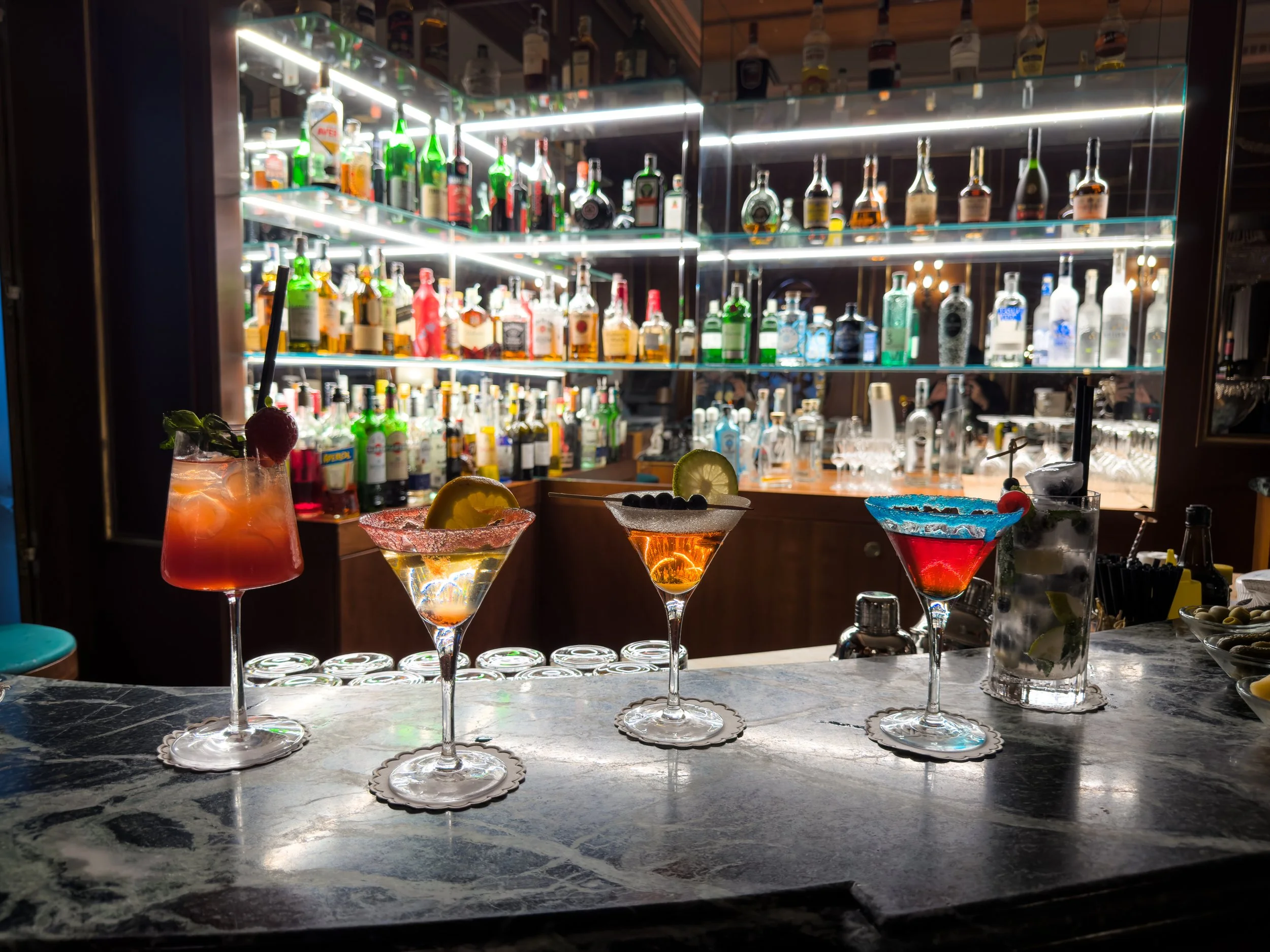
The American Bar was another part of the hotel we used more than once. We stopped for coffee, drinks in the evening and a very good Negroni.
The location was another advantage. Teatro Massimo, restaurants, cafés and the historic centre were all close, while the hotel felt much quieter once we were back inside.
I would stay at Grand Hotel Wagner again.
Best for:
Traditional interiors
Personal service
Couples and cultural city breaks
Exploring central Palermo on foot
Read: Grand Hotel Wagner: Art Nouveau Elegance in the Heart of Palermo
Where to eat in Palermo
These are restaurants we actually visited during the trip rather than an attempt to compile every restaurant worth knowing in the city.
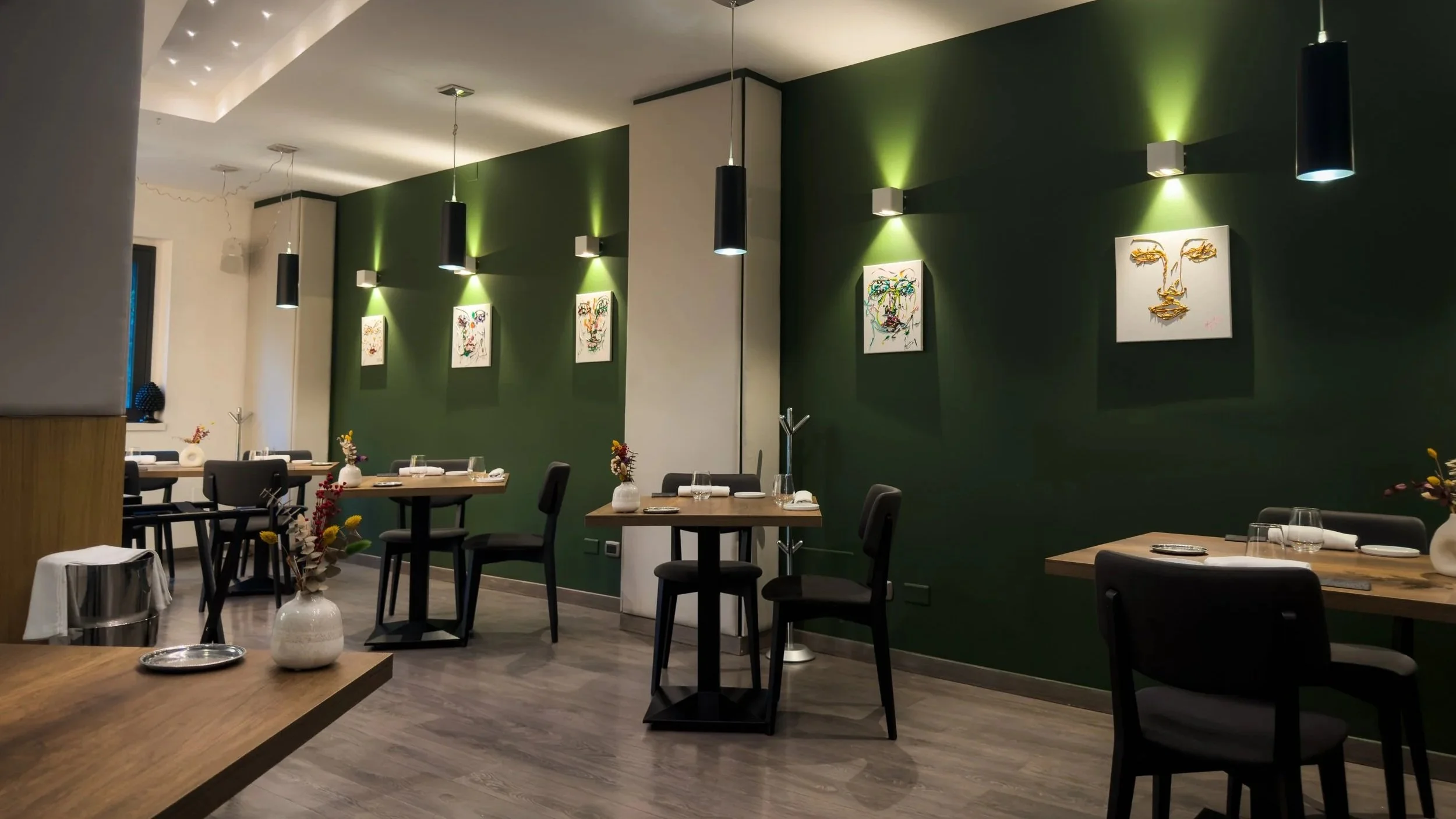
The dining room at ALI3I, with deep green walls, artwork and pendant lighting.
ALI3I
ALI3I sits on Via della Libertà and takes a contemporary approach to Sicilian cooking.
We chose the five-course tasting menu and followed the recommendations of our waitress rather than deciding every course ourselves. The meal included Ricorda il calamaro ripieno, poached egg with basil potato velouté and summer caponata, squid-filled plin, fish with smoked aubergine and yellow tomatoes, and a lemon-and-almond dessert.
The dining room has deep green walls, soft lighting, artwork and a substantial wine display.
I also liked the personal side of the restaurant. We spoke with Alice Di Gennaro, Liborio Mongiovì and the team, and the artwork on the walls had been created by a friend of theirs.
The petit fours at the end were served amongst coffee beans.
For me, ALI3I suits an evening when you want a tasting menu and enough time to enjoy a longer dinner.
Best for:
Contemporary Sicilian cooking
A tasting menu
A longer dinner
Thoughtful service
Read: ALI3I Palermo: Contemporary Dining on Via della Libertà
Reservations: Reserve a table at ALI3I
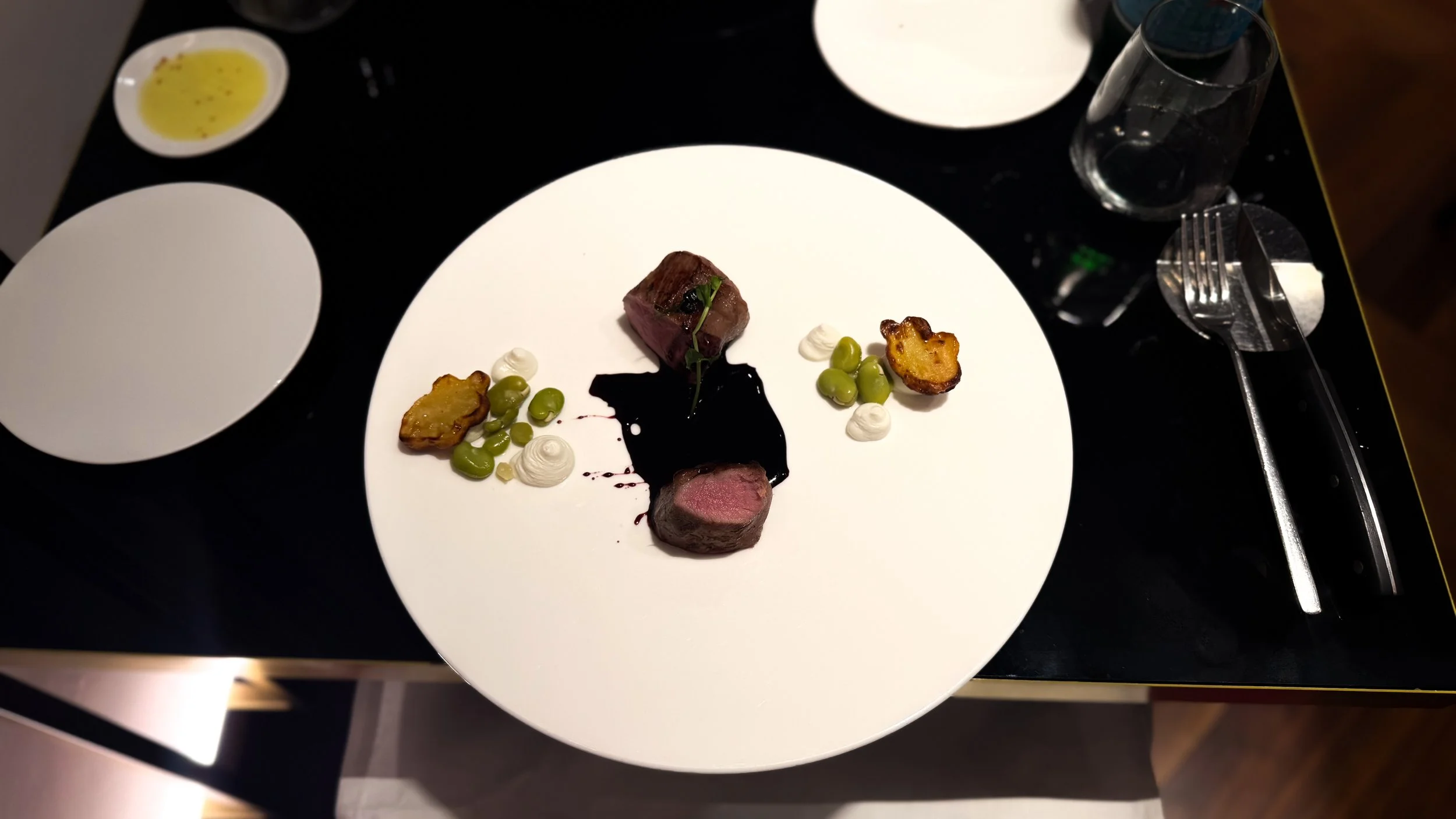
Veal at CR21, served with Nero d’Avola sauce.
CR21 Cartari Restaurant
CR21 is on Via dei Cartari in the historic centre.
Inside, black tables with fine gold edging sit in front of an open kitchen behind glass.
The dish I would order first is the Bottoni alla carbonara e guanciale croccante.
When the pasta arrived, our waitress passed on the chef's recommendation: put a whole button into your mouth before biting into it. The carbonara filling releases inside, with the pasta, filling and crispy guanciale eaten together.
It was fantastic.
We also ordered veal, pork and lamb.
For dessert, I asked our waitress to recommend something Sicilian and she chose Verde di Sicilia, a pistachio dessert served as a small green dome with a cold, soft centre.
That was my favourite dish at CR21.
Best for:
Contemporary Sicilian cooking
Carbonara-filled pasta
An open kitchen
Sicilian desserts
Read: CR21 Palermo: A Modern Sicilian Dinner in the Historic Centre
Reservations: Reserve a table at CR21
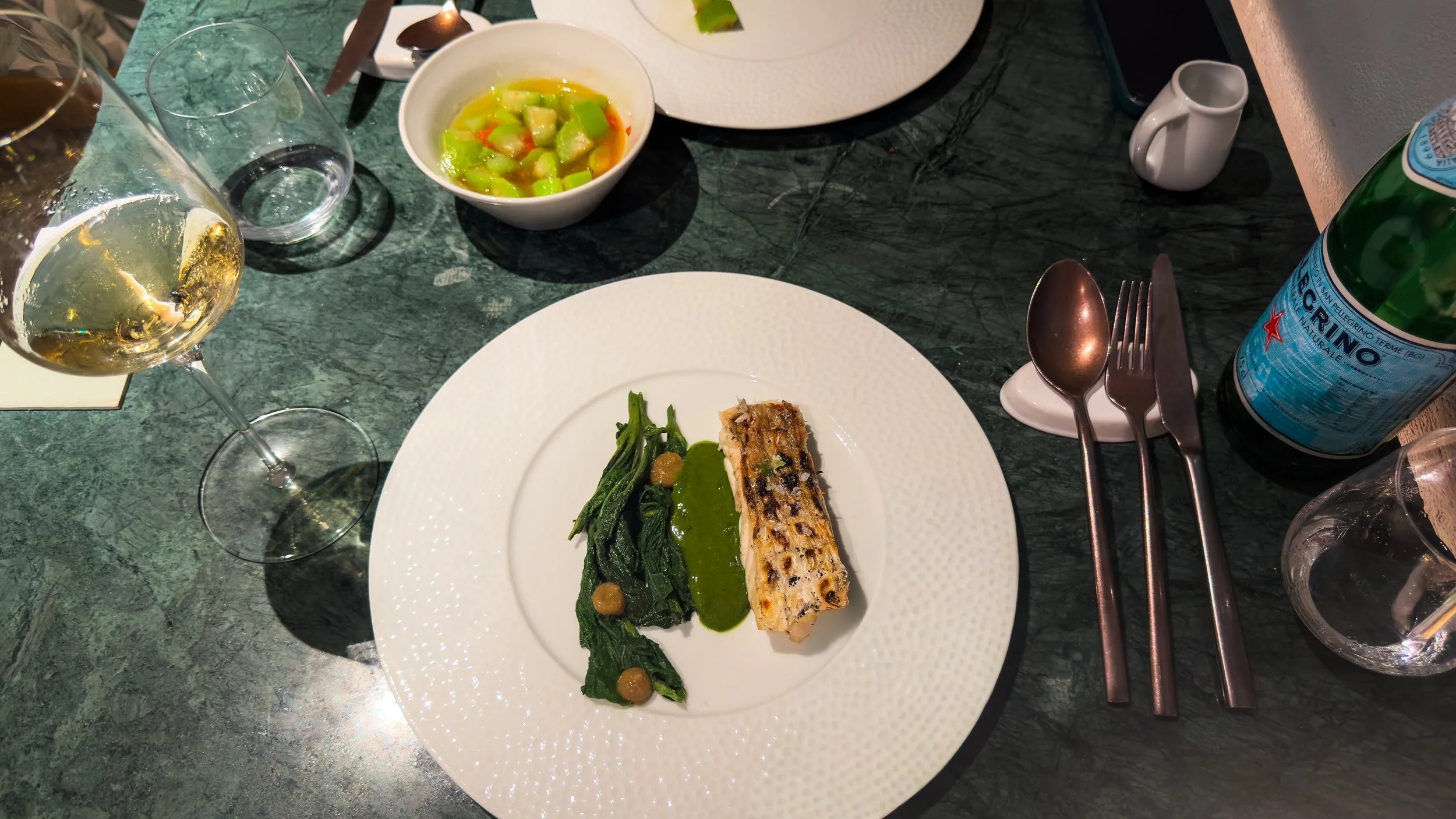
Catch of the day with tenerumi and toasted lemon at Rimessa Dragotto.
Rimessa Dragotto
Rimessa Dragotto connects its Palermo restaurant with the Dragotto family's farm and olive production in western Sicily.
The clearest link to the farm came at the table: a round loaf and grissini arrived with Dragotto's own extra-virgin olive oil, and the two were excellent together.
For pasta, we ordered the Seafood Carbonara, with spaghetti, prawns, scampi, mussels and bottarga.
I ordered the Catch of the Day afterwards, served with tenerumi and toasted lemon.
Dessert was Come una cassata, made with ricotta semifreddo, marzipan and Modica chocolate.
That was my favourite dish at Rimessa Dragotto.
Best for:
Seafood pasta
Dragotto Farm olive oil
Dinner in central Palermo
Come una cassata
Read: Dinner at Rimessa Dragotto: From the Olive Grove to Palermo
Reservations: Reserve a table at Rimessa Dragotto
Gelato in Palermo
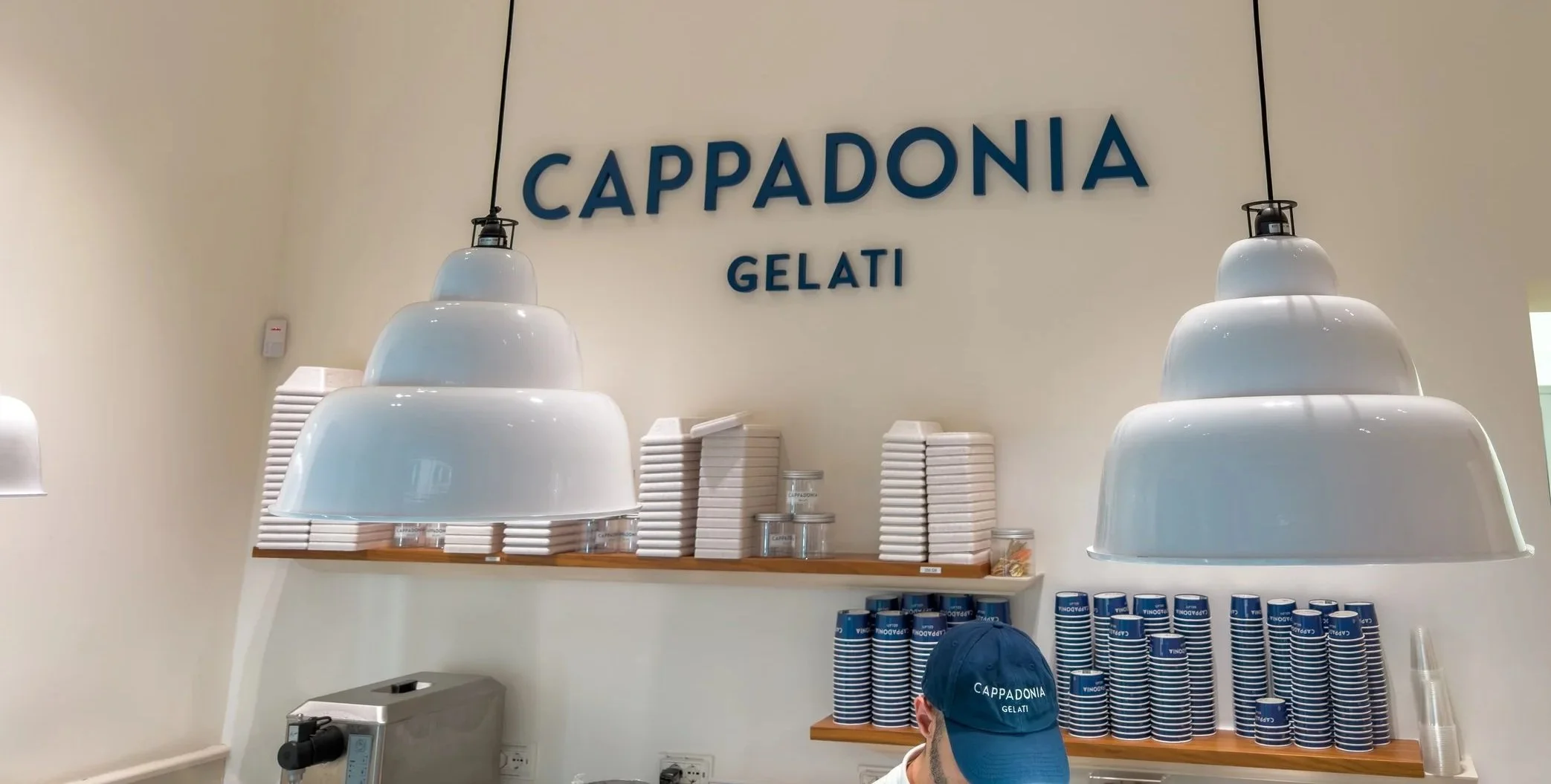
Inside Cappadonia Gelati at Piazzetta Francesco Bagnasco in Palermo.
Cappadonia Gelati
Cappadonia Gelati is worth making a separate stop for rather than treating it as an afterthought after dinner.
We visited the Piazzetta Francesco Bagnasco shop, a short walk from Grand Hotel Wagner, for a tasting with Mr Donato Didonna.
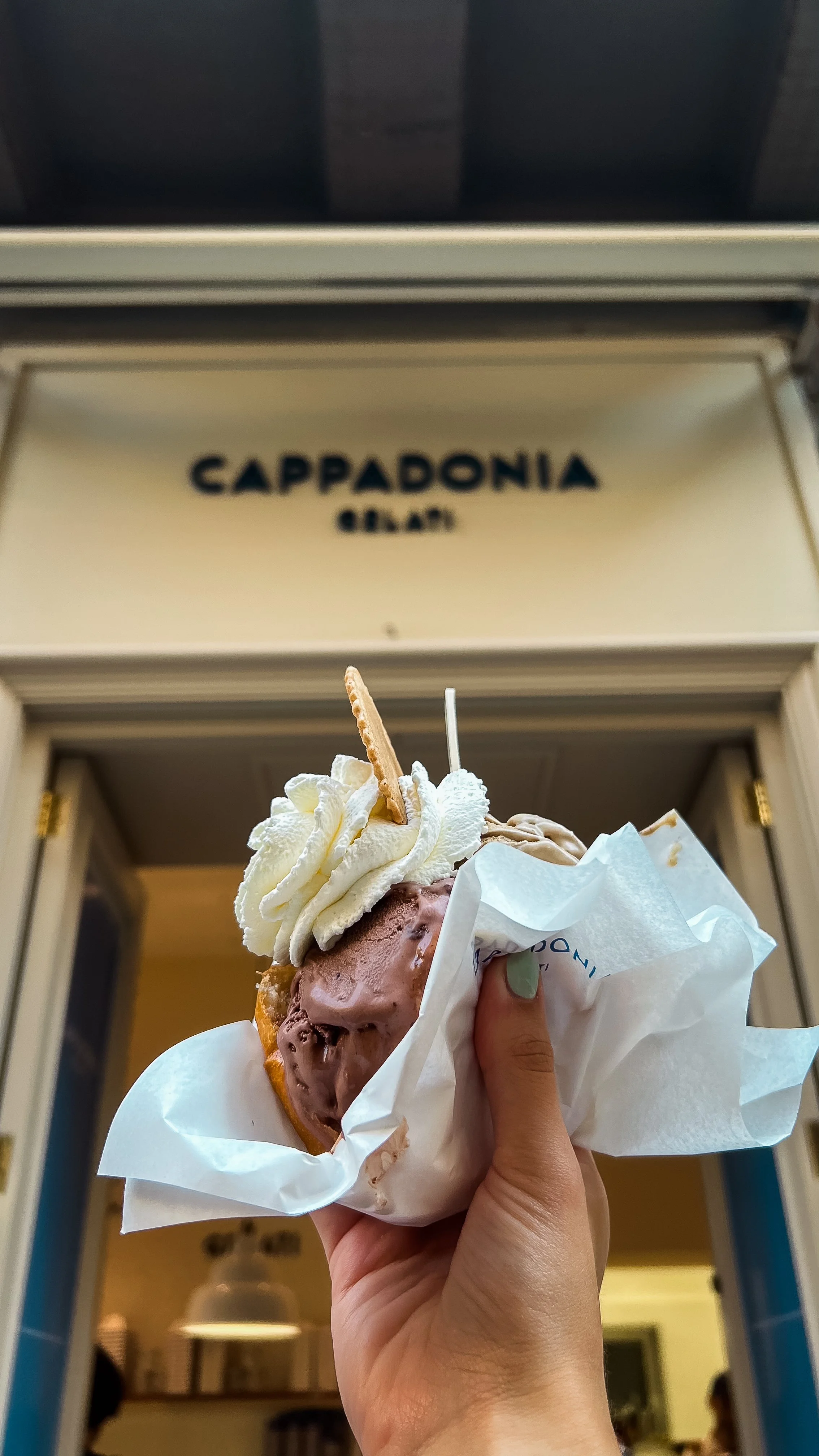
Brioche con gelato outside Cappadonia Gelati in Palermo.
Cappadonia puts a strong emphasis on where its fruit comes from.
The flavour board during our visit included names such as Albicocca dei Monti Sicani and Limone di Cerda, linking the flavour directly to its origin. Antonio Cappadonia has described his approach as gelato di territorio, with seasonality and relationships with Sicilian growers at its centre.
We tasted every flavour available that day.
My favourites were Sicilian Mountains apricot, lemon and melon.
We finished with brioche con gelato, with three scoops packed inside a soft Sicilian brioche.
Donato also explained the old snow-and-salt method traditionally used to freeze granita. The salt surrounds the vessel with the snow rather than going into the granita itself.
If you are staying around Politeama, Cappadonia is an easy afternoon stop.
Best for:
Fruit sorbets
Sicilian gelato
Brioche con gelato
Seasonal fruit flavours
Read: Cappadonia Gelati Palermo: Sicilian Fruit, Snow and Brioche
Sicilian desserts
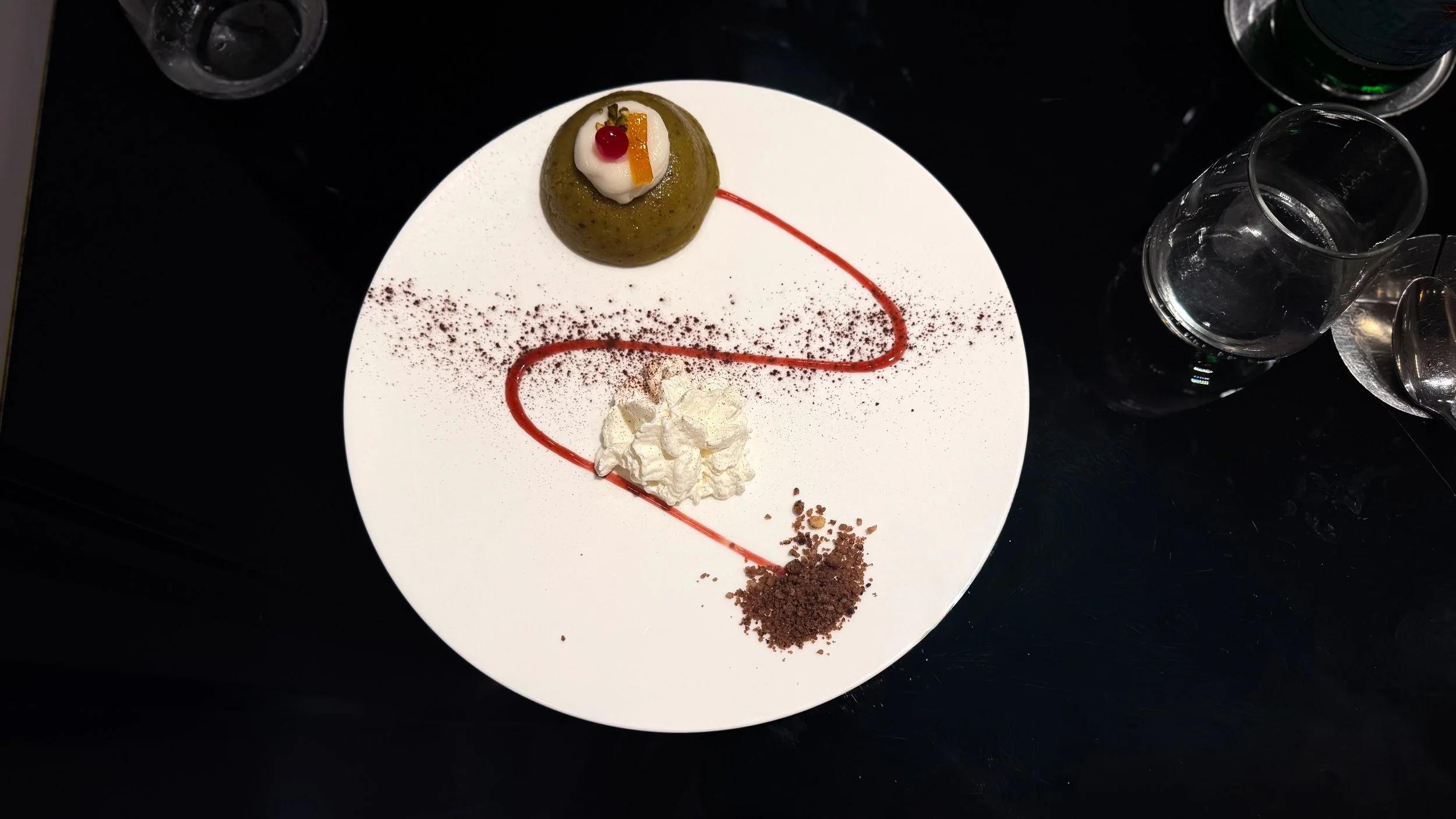
Dessert deserves some space of its own in Palermo.
At CR21, Verde di Sicilia was built around pistachio and had a cold, soft centre.
At Rimessa Dragotto, Come una cassata used ricotta semifreddo, marzipan and Modica chocolate.
At Cappadonia, we had fruit sorbets, gelato and brioche.
I like this style of dessert anyway, so Palermo suited me very well. Ricotta, pistachio, almond and fruit kept appearing in different forms, often with the cold textures I prefer.
If you usually skip dessert, I would reconsider that here.
Three days in Palermo
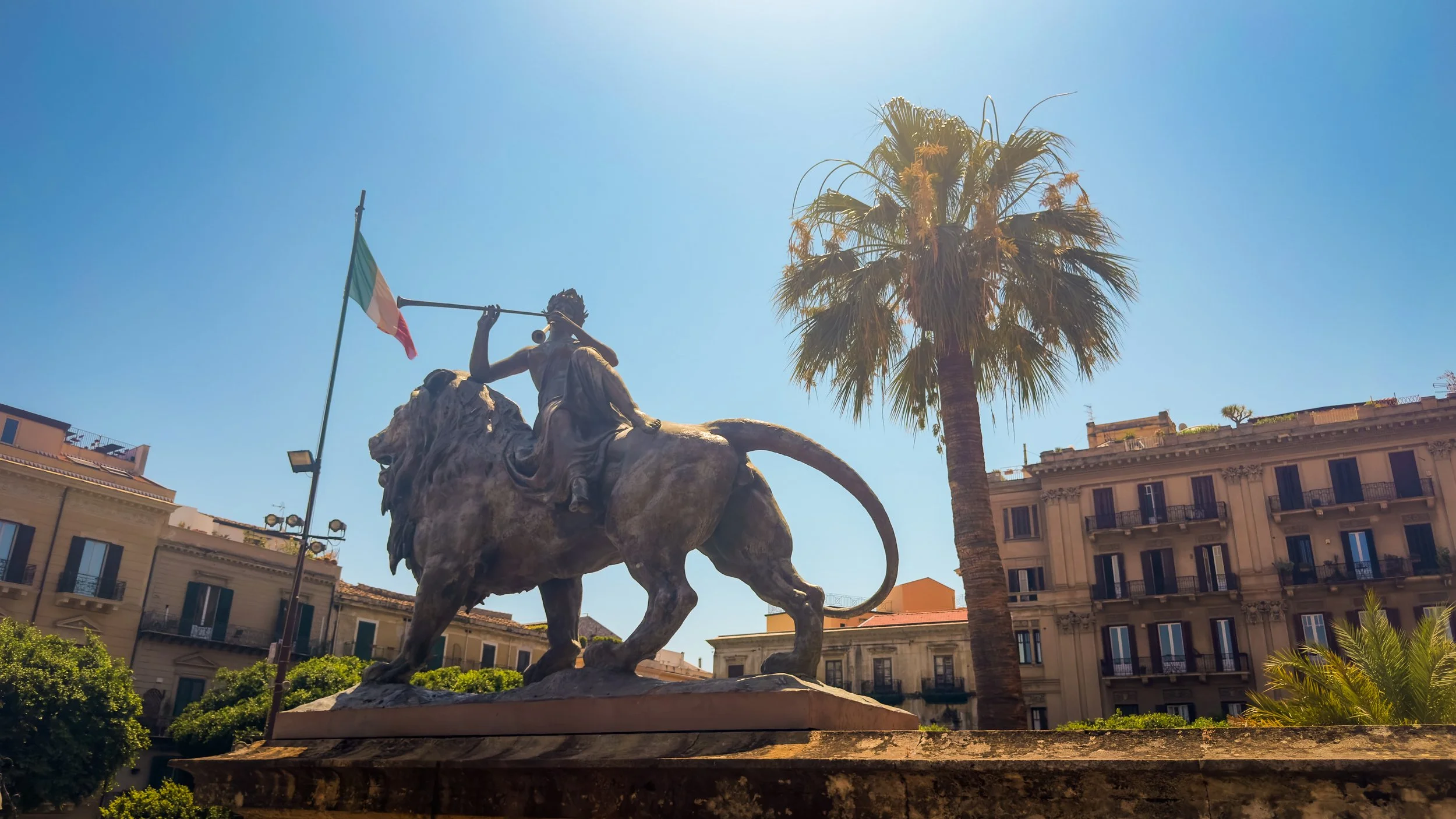
La Lirica by Mario Rutelli, one of the bronze lion groups beside the steps of Teatro Massimo.
Day one: the historic centre
Start at Teatro Massimo and walk down Via Maqueda.
Continue through Quattro Canti and Piazza Pretoria, stop at Piazza Bellini, then follow Via Vittorio Emanuele towards Palermo Cathedral.
The route is compact and gives you several of the city's main landmarks without spending the day moving back and forth across Palermo.
For dinner, book CR21.
Day two: Norman Palermo and ALI3I
Give the morning to the Palazzo dei Normanni and Cappella Palatina.
From there, choose another church or return to anything you passed too quickly on the first day rather than trying to fit every monument into the schedule.
Stop at Cappadonia Gelati in the afternoon.
Keep the evening for ALI3I if you want the tasting menu.
Day three: Teatro Massimo and Museo Salinas
If you only saw Teatro Massimo from the square on the first day, use the morning for a guided tour, then continue to the Museo Archeologico Regionale Antonino Salinas, only a short walk away.
The museum is easy to combine with the theatre and covers a very different part of Sicily’s history, with Greek, Phoenician and Roman material among its strengths. Leave some time for the courtyards too — including the fountain with its turtles.
Afterwards, spend some time around one of the historic markets or simply walk without adding another major itinerary.
Finish with dinner at Rimessa Dragotto for seafood, Dragotto olive oil and Come una cassata.
When to visit Palermo
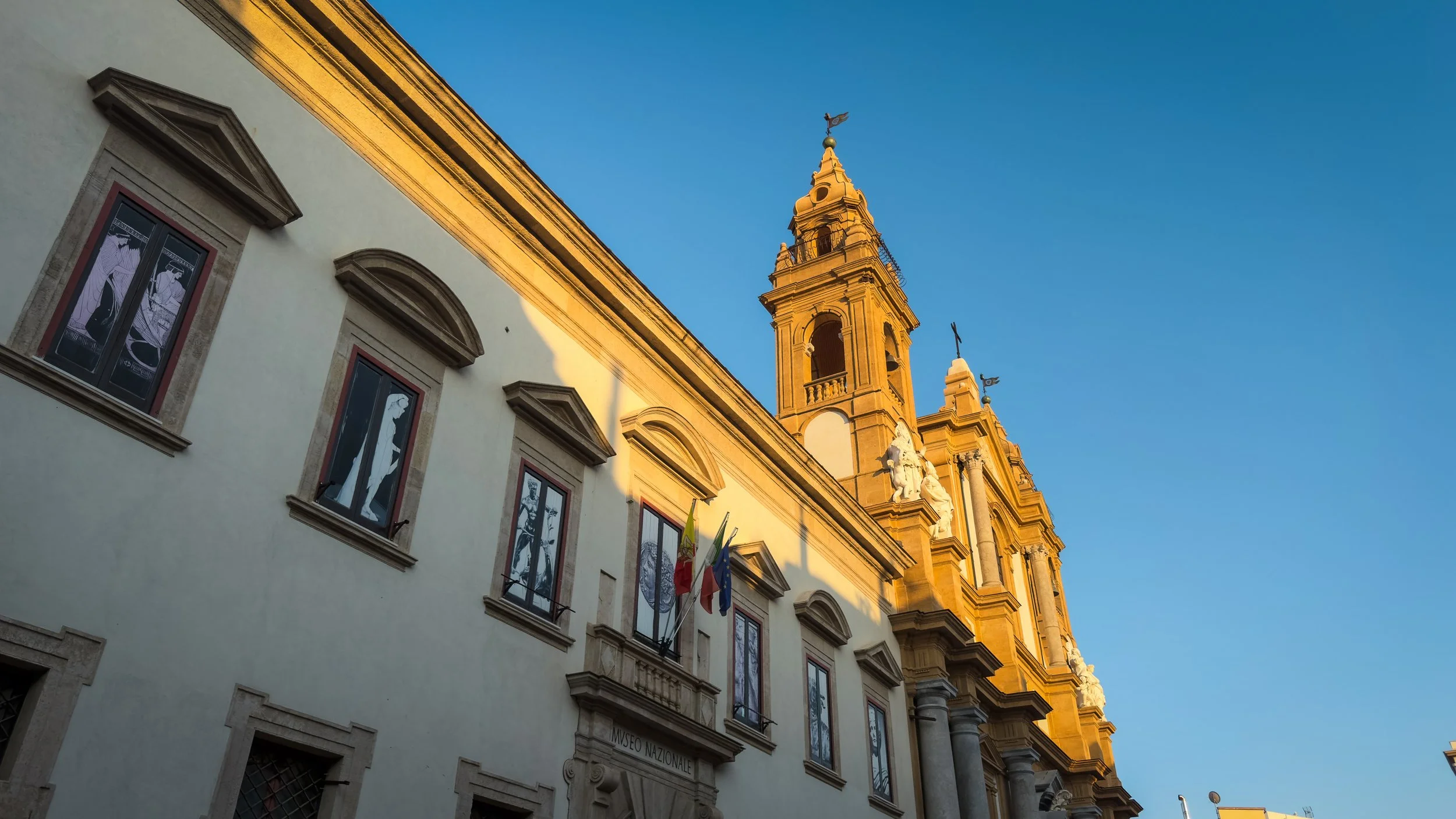
The exterior of Museo Archeologico Regionale Antonino Salinas on Piazza Olivella.
We visited Palermo in early August 2026, and it was very hot.
The heat made long walks through the centre much harder in the middle of the day, so mornings and later afternoons were far more comfortable for sightseeing.
For a trip centred on walking, architecture and restaurants, I would choose spring or early autumn if you have the flexibility. You still get warm weather, but without needing to organise the day around the hottest hours.
Winter can also work well for a city break if your priorities are architecture, food, museums and theatre rather than the coast.
Getting from Palermo Airport to the centre
Palermo Falcone Borsellino Airport is at Punta Raisi, outside the city.
Train
Trenitalia operates connections between the airport and Palermo, with up to two trains per hour in each direction.
The Genio Express connects Palermo Centrale with the airport in around 34–36 minutes, stopping at Palermo Notarbartolo. The current adult fare is €6.80.
Check your exact train before travelling because frequency varies by time of day.
Timetables and tickets: Check Palermo Airport trains with Trenitalia
Airport bus
Prestia e Comandè runs the airport coach throughout the year.
Services leave approximately every 30 minutes and the full journey takes around 50 minutes. The route includes Politeama, which is convenient for Grand Hotel Wagner.
A one-way adult ticket currently costs €6 per person, or €10 return.
Bus information: Check Prestia e Comandè airport bus times
GetYourGuide: Book a Palermo Airport to city bus ticket
Taxi or transfer
A taxi or private transfer is simpler if you arrive late or have more luggage.
Grand Hotel Wagner also offers an airport transfer service.
Getting around Palermo
Walking
We did most of our sightseeing in central Palermo on foot.
Teatro Massimo is around ten minutes on foot from Quattro Canti and roughly fifteen minutes from Palermo Cathedral according to the theatre's own directions.
Comfortable shoes are useful because the street and pavement surfaces vary.
Buses and trams
AMAT operates Palermo's buses and trams.
The current standard ticket costs €1.40 and is valid for 90 minutes after validation.
Taxis
We took a few taxis for dinners during our stay, especially when the restaurant was outside the immediate area or we had already spent most of the day walking.
They were a useful option in the evening without being necessary for most sightseeing in the centre.
Car
I would not hire a car purely for a few days in Palermo.
Walking around the centre, we noticed a lot of traffic, scooters and frequent honking, and driving looked quite chaotic. For a short stay, walking and taxis made much more sense to us.
If Palermo is part of a wider road trip around Sicily, I would park the car while staying centrally and use it again when leaving the city.
Know before you go
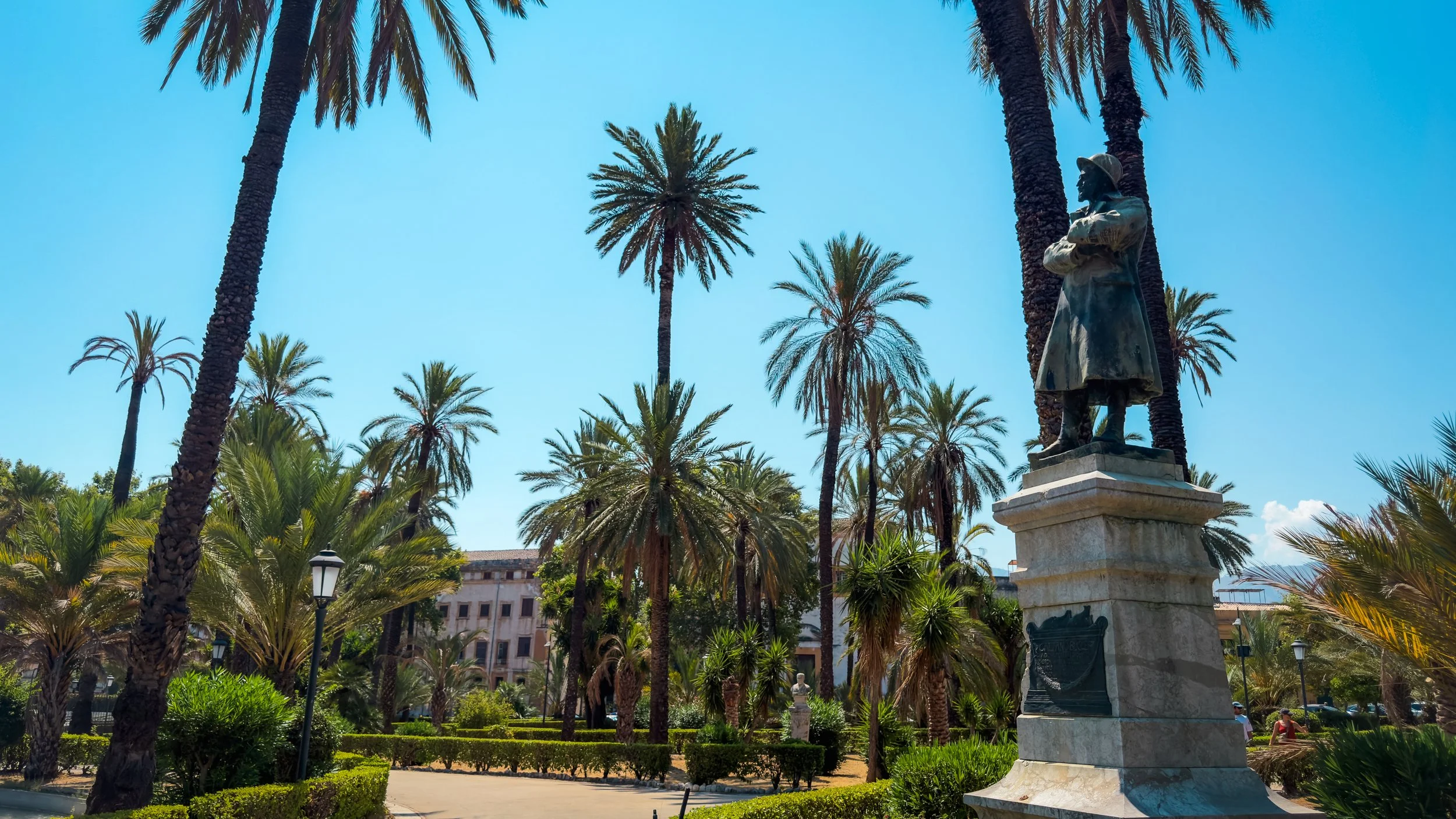
The monument to Gaetano Bucceri among the palms of Villa Bonanno.
Reserve the restaurants you specifically want to visit, especially tasting menus and weekend dinners, but leave some room during the day for gelato or an unplanned stop.
Check opening hours and ticket availability for churches, museums and historic buildings on the day you plan to visit. Religious services, restoration work, performances and seasonal schedules can affect access.
Menus change throughout the year, so the dishes mentioned in this guide reflect what we ate during our visit rather than what will necessarily be available when you go.
For the main ticketed sights, use the booking links in this guide to check current prices and access before setting out.
Useful Palermo links
Planning
Palermo Welcome — official city tourism website
Sights and ticketsPalazzo Reale and Cappella Palatina — opening hours and tickets
Antonino Salinas Archaeological Museum — tickets
Airport and transport
Final notes
Three full days in Palermo is enough to cover the historic centre and the main museums and monuments without rushing.
If you also want to include Monreale, Mondello or somewhere beyond central Palermo, add another day rather than squeezing it into the same itinerary.
For a first trip, I would keep the focus on Palermo itself rather than trying to fit too much of western Sicily into the same stay.